
A client with a traumatic brain injury becomes progressively less responsive to stimuli. The client has a "Do Not Resuscitate" prescription, and the nurse observes that the unlicensed assistive personnel (UAP) has stopped turning the client from side to side as previously scheduled. Which action should the nurse take?
Advise the UAP to resume positioning the client on schedule.
Encourage the UAP to provide comfort care measures only.
Assume total care of the client to monitor neurologic function.
Assign a practical nurse to assist the UAP in turning the client.
The Correct Answer is A
Choice A: Advise the UAP to resume positioning the client on schedule.
Reason: Turning the client from side to side is a critical nursing intervention to prevent complications such as pressure ulcers, pneumonia, and other issues related to immobility. Even though the client has a “Do Not Resuscitate” (DNR) order, it does not mean that comfort and preventive care measures should be stopped. The nurse should advise the UAP to continue with the scheduled positioning to ensure the client’s comfort and prevent further complications.
Choice B: Encourage the UAP to provide comfort care measures only.
Reason: While providing comfort care is essential, it does not mean that other necessary interventions, such as turning the client, should be neglected. Comfort care measures should include turning the client to prevent pressure ulcers and other complications. Therefore, this option is not the best choice as it may lead to neglecting important preventive care.
Choice C: Assume total care of the client to monitor neurologic function.
Reason: Assuming total care of the client is not practical and may not be necessary. The nurse should delegate tasks appropriately and ensure that the UAP is performing their duties correctly. Monitoring neurologic function is important, but it does not require the nurse to take over all aspects of the client’s care.
Choice D: Assign a practical nurse to assist the UAP in turning the client.
Reason: While assigning a practical nurse to assist the UAP might be helpful, it is not necessary if the UAP can resume the scheduled positioning on their own. The nurse should first advise the UAP to continue with the scheduled positioning before considering additional assistance.
Nursing Test Bank
Naxlex Comprehensive Predictor Exams
Related Questions
Correct Answer is C
Explanation
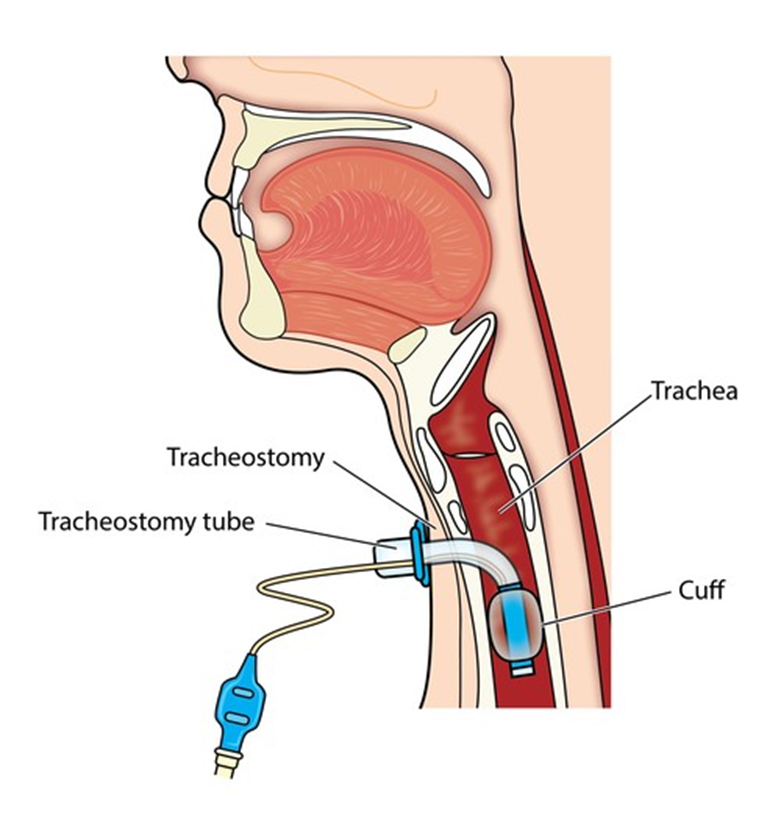
Choice A reason: Applying a water-soluble lubricant to the catheter is not recommended during tracheostomy suctioning as it may introduce contaminants.
Choice B reason: Instilling sodium chloride before suctioning is not a standard practice and can lead to complications such as edema.
Choice C reason: Wearing protective goggles is important to protect the nurse from potential splashes of bodily fluids during the suctioning process.
Choice D reason: Instructing the client to cough as the suction tip is removed is not recommended as it can cause discomfort and potential harm to the tracheal lining.
Correct Answer is B
Explanation
Choice A reason: While knowing if the client can lie prone is useful, it is not the most critical piece of information prior to an intravenous pyelogram.
Choice B reason: Asking about a shellfish allergy is crucial because the contrast dye used in an intravenous pyelogram may contain iodine, which can cause an allergic reaction in individuals with shellfish allergies.
Choice C reason: Knowing the last time the client had a bowel movement is less critical than knowing about potential allergies to the contrast dye.
Choice D reason: While it's important to know about medication schedules, the risk of an allergic reaction to the contrast dye is a more immediate concern that could affect the safety of the procedure.
Whether you are a student looking to ace your exams or a practicing nurse seeking to enhance your expertise , our nursing education contents will empower you with the confidence and competence to make a difference in the lives of patients and become a respected leader in the healthcare field.
Visit Naxlex, invest in your future and unlock endless possibilities with our unparalleled nursing education contents today