
A community health nurse is reviewing home care instructions with an older adult client who has a new diagnosis of heart failure.
Which of the following is the priority topic for the nurse to review with the client?
Daily exercise routine.
Daily sodium restrictions.
Fluid intake record.
Changes in weight.
The Correct Answer is D

The priority topic for the nurse to review with the client is monitoring changes in weight.
A sudden weight gain may mean that the client’s heart failure is getting worse and they should call their doctor if they have a sudden weight gain, such as more than 2 to 3 pounds in a day or 5 pounds in a week.
Choice A is wrong because while daily exercise is important for overall health, it is not the priority topic for the nurse to review with the client.
Choice B is wrong because while daily sodium restrictions are important for managing heart failure, it is not the priority topic for the nurse to review with the client.
Choice C is wrong because while monitoring fluid intake is important for managing heart failure, it is not the priority topic for the nurse to review with the client.
Nursing Test Bank
Naxlex Comprehensive Predictor Exams
Related Questions
Correct Answer is A
Explanation
This statement indicates an understanding of the teaching because headache is a common symptom of anemia.
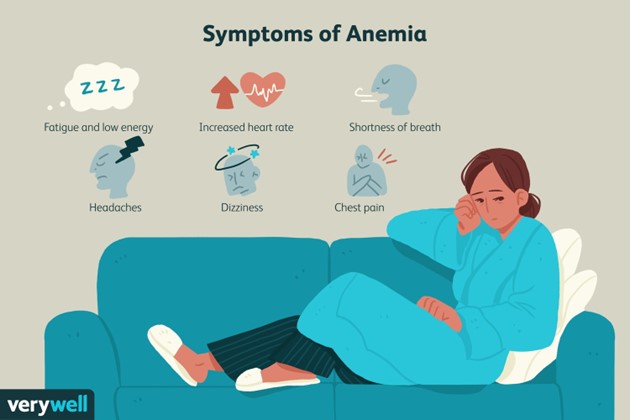 Choice B is incorrect because bradycardia (slow heart rate) is not a common symptom of anemia.
Instead, anemia can cause irregular heartbeats or a fast heartbeat.
Choice Dis incorrect because flushed skin color is not a common symptom of anemia.
Instead, anemia can cause pale or yellowish skin 1.
Choice Cis incorrect because heat intolerance is not a common symptom of anemia.
Correct Answer is C
Explanation
Prealbumin is a protein that is produced by the liver and is used as a marker of nutritional status.
It has a short half-life, so changes in pre albumin levels can reflect recent changes in nutritional status.
Monitoring pre albumin levels can help assess the effectiveness of total parenteral nutrition.
Lipase is an enzyme that is produced by the pancreas and is not used to monitor overall nutritional status.
B) C-reactive protein is a marker of inflammation and is not used to monitor overall nutritional status.
D) Creatinine is a waste product that is produced by muscle metabolism and is not used to monitor overall nutritional status.
Whether you are a student looking to ace your exams or a practicing nurse seeking to enhance your expertise , our nursing education contents will empower you with the confidence and competence to make a difference in the lives of patients and become a respected leader in the healthcare field.
Visit Naxlex, invest in your future and unlock endless possibilities with our unparalleled nursing education contents today