
A newly licensed nurse is having difficulty finishing client care tasks during their shift. Which of the following techniques should the nurse plan to use to assist with time management?
Delegate complicated tasks to an RN.
Document all client care at the end of the shift.
Perform quick tasks before time-consuming tasks.
Try to complete a task before moving on to the next.
The Correct Answer is D
A newly licensed nurse who is having difficulty finishing client care tasks during their shift should try to complete one task before moving on to the next. This can help the nurse stay focused and organized, and prevent them from becoming overwhelmed.
The other options are not recommended for time management.
a) Delegating complicated tasks to an RN may not be appropriate or allowed, depending on the task and the nurse's scope of practice.
b) Documenting all client care at the end of the shift can lead to errors and omissions.
c) Performing quick tasks before time-consuming tasks may not be the most efficient use of time, as it can lead to unfinished tasks at the end of the shift.
Nursing Test Bank
Naxlex Comprehensive Predictor Exams
Related Questions
Correct Answer is D
Explanation
Performing oral care every 2 hours is an important nursing intervention for a client receiving mechanical ventilation via an endotracheal tube. This helps to reduce the risk of ventilator-associated pneumonia.
a) Monitoring the client's vital signs is important, but it should be done more frequently than every 8 hours.
b) Repositioning the endotracheal tube is not necessary unless there is a specific indication.
c) Placing the client in a supine position is not recommended as it increases the risk of aspiration.

Correct Answer is B
Explanation
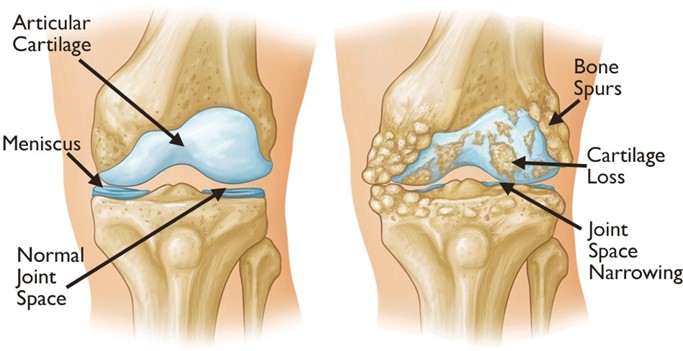
Applying heat to the affected joints can help relieve pain and stiffness. A heating pad or warm compress can be used to apply heat to the hands.
The other options are not correct because:
a) Sleeping on a soft mattress is not mentioned as a way to manage osteoarthritis symptoms.
b) Aspirin should be taken with food or milk to reduce stomach irritation.
c) Exercising inflamed joints excessively can worsen symptoms. It is important to balance rest and activity.
Whether you are a student looking to ace your exams or a practicing nurse seeking to enhance your expertise , our nursing education contents will empower you with the confidence and competence to make a difference in the lives of patients and become a respected leader in the healthcare field.
Visit Naxlex, invest in your future and unlock endless possibilities with our unparalleled nursing education contents today