
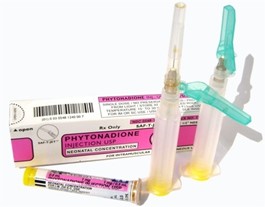
A normal newborn is admited to the nursery and receives an injection of Phytonadione. The father is watching the nurse administer the injection and asks the practical nurse (PN), "Will my baby get another injection before we can go home?"
Which response is best for the PN to provide?
This is the only required injection your baby has to receive while in the newborn nursery.
Blood specimens will be collected to test for glucose levels and if low, glucose injection is given.
If your newborn gets sick or has a complication, injectable therapy may be prescribed and given.
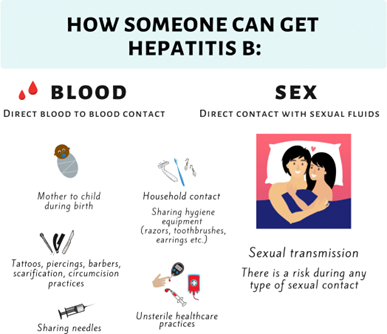
An immunization may be administered for hepatitis B, and a consent form must be signed.
The Correct Answer is D
The best response for the PN to provide is that **an immunization may be administered for hepatitis B, and a consent form must be signed**. Phytonadione is a form of vitamin K that is given to newborns to prevent vitamin K deficiency bleeding (VKDB)¹. Vitamin K should be administered to all newborn infants weighing>1500 g as a single, intramuscular dose of 1 mg within 6 hours of birth¹. However, this is not the only injection your baby may receive while in the newborn nursery. An immunization for hepatitis B may also be administered before you can go home⁴.
Nursing Test Bank
Naxlex Comprehensive Predictor Exams
Related Questions
Correct Answer is C
Explanation
Answer: B. Limit play with the stuffed toy when out of the tent.
Rationale:
A) Spray the toy with disinfectant before placing it in the tent: Disinfecting the toy may not be necessary unless the toy is visibly soiled. Moreover, the use of disinfectants around the child may pose a risk of respiratory irritation, making this option inappropriate.
B) Limit play with the stuffed toy when out of the tent: This action is appropriate as it helps minimize the risk of cross-contamination and reduces exposure to potential allergens or irritants that may worsen the child's condition. Keeping the toy limited to the tent allows for a safer environment for the child.
C) Allow the child to have the stuffed toy in the tent: While having a favorite toy can provide comfort, it’s crucial to ensure that the toy does not harbor germs that could exacerbate the child's illness. In a mist tent, moisture can also promote mold growth on soft toys, so extra caution is necessary.
D) Ask the mother to wash the toy daily at home: While washing the toy is a good practice, this option does not directly address the immediate care in the hospital setting. Daily washing might not be feasible for the mother during the hospital stay, and it does not focus on minimizing exposure during the child’s hospitalization.
Correct Answer is D
Explanation
Feeling sad or having a depressed mood is a common symptom of depression. Asking the client if they often feel sad can help the practical nurse (PN) assess for depression.
While recent stresses (A), sleep changes (B), and dietary habits (C) may also be relevant to the client's situation, asking if the client often feels sad is the most important question for the PN to ask in order to further assess for depression.
Whether you are a student looking to ace your exams or a practicing nurse seeking to enhance your expertise , our nursing education contents will empower you with the confidence and competence to make a difference in the lives of patients and become a respected leader in the healthcare field.
Visit Naxlex, invest in your future and unlock endless possibilities with our unparalleled nursing education contents today