
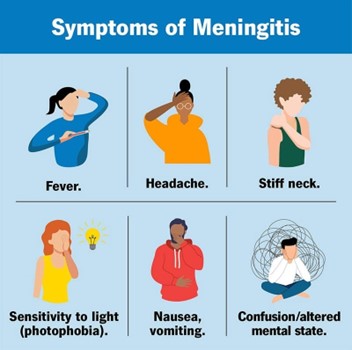
A nurse at a community health clinic is caring for a client who reports a headache and stiff neck. Which of the following actions should the nurse perform first?
Obtain a throat culture specimen.
Perform a complete blood count.
Check the client's temperature.
Administer an oral analgesic.
The Correct Answer is C
A. Obtaining a throat culture specimen might be necessary if a throat infection is suspected, but it is not the immediate priority without first assessing the presence of fever or other systemic signs.
B. Performing a complete blood count could be useful in diagnosing underlying conditions or infections but is not the initial action; the temperature check provides immediate information about potential systemic infection.
C. Check the client's temperature.Headache and stiff neck are symptoms that could be associated with various conditions, including infections such as meningitis. A fever often accompanies infections, and checking the client's temperature helps in identifying if there is a fever, which could be indicative of an infection requiring further evaluation and treatment.
D. Administering an oral analgesic could provide symptom relief but does not address the underlying cause of the symptoms. It is essential first to assess the client’s condition fully before initiating symptomatic treatment.
Nursing Test Bank
Naxlex Comprehensive Predictor Exams
Related Questions
Correct Answer is C
Explanation
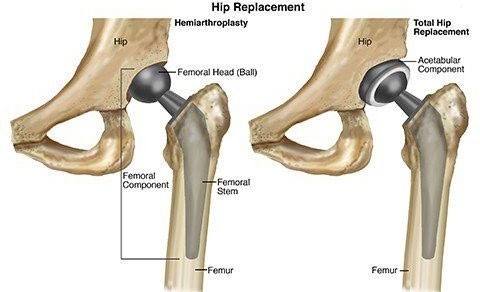
An appropriate action to prevent hip dislocation in a client who is postoperative following a total hip arthroplasty is to place a wedge pillow between the legs. This helps to maintain proper alignment and prevent the legs from crossing or adducting, which can cause hip dislocation.
Placing a trochanter roll against the thigh, placing a sandbag on the lateral calf, and placing a footboard on the bed are not appropriate actions to prevent hip dislocation in this situation. A trochanter roll is used to prevent the external rotation of the hip. A sandbag to the lateral calf can help prevent foot drop. A footboard can help prevent plantar flexion contractures.
Correct Answer is C
Explanation
When contributing to the plan of care for a client who is postoperative following a total hip arthroplasty, the nurse should include information on preventing hip flexion of the affected extremity. This can help prevent dislocation of the new hip joint and promote healing.
a. Positioning the lower extremities so that they are touching is not necessary for a client who is postoperative following a total hip arthroplasty. The position of the lower extremities should be determined by the surgeon's instructions and the client's comfort.
b. Ensuring that the client's heels are touching the bed is not necessary for a client who is postoperative following a total hip arthroplasty. The position of the heels should be determined by the surgeon's instructions and the client's comfort.
d. Instructing the client to avoid movement of the affected leg is not necessary for a client who is postoperative following a total hip arthroplasty. The client will need to begin moving and exercising the affected leg as part of their rehabilitation and recovery.
Whether you are a student looking to ace your exams or a practicing nurse seeking to enhance your expertise , our nursing education contents will empower you with the confidence and competence to make a difference in the lives of patients and become a respected leader in the healthcare field.
Visit Naxlex, invest in your future and unlock endless possibilities with our unparalleled nursing education contents today