
A nurse in a provider's office is preparing to teach a middle adult client who has a new diagnosis of metabolic syndrome and an HbA1c of 6.5%. Which of the following medications should the nurse plan to teach the client about first?
Regular insulin
Exenatide
Insulin glargine
Metformin
The Correct Answer is D
Choice A Reason:
Regular insulin is incorrect. Regular insulin is a short-acting insulin used for managing diabetes, particularly for controlling blood sugar levels during meals. However, it's not typically the initial medication introduced in the management of metabolic syndrome with an HbA1c of 6.5%. Insulin therapy is generally considered when other medications or lifestyle changes aren't effective in controlling blood sugar levels.
Choice B Reason:
Exenatide is incorrect. Exenatide is a GLP-1 receptor agonist, used to manage type 2 diabetes. While it's effective in controlling blood sugar levels, it's often considered after initial treatments like metformin, especially in newly diagnosed cases or those with moderately elevated HbA1c levels.
Choice C Reason:
Insulin glargine is incorrect. Insulin glargine is a long-acting insulin used in diabetes management, providing a steady level of insulin throughout the day. Like regular insulin, insulin glargine is typically considered later in the treatment plan and is not usually the first medication introduced in cases of new metabolic syndrome diagnoses with moderately elevated HbA1c levels.
Choice D Reason:
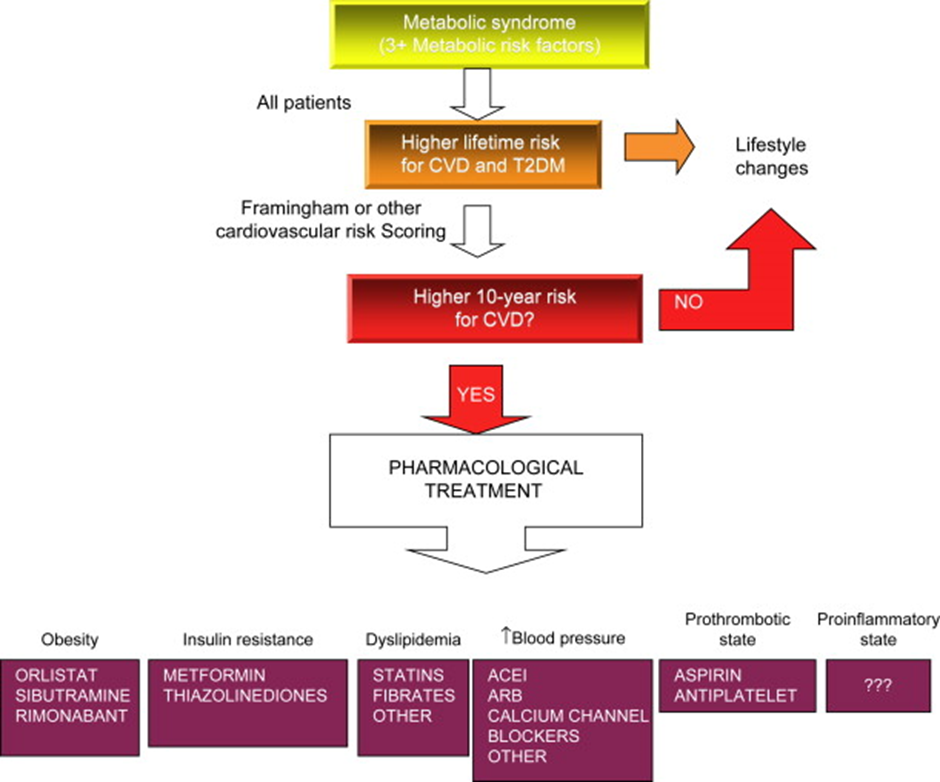
Considering the client's new diagnosis and moderately elevated HbA1c level, educating about metformin aligns with the typical first-line approach in managing blood sugar levels and metabolic syndrome in this scenario.
Nursing Test Bank
Naxlex Comprehensive Predictor Exams
Related Questions
Correct Answer is C
Explanation
Choice A Reason:
Levothyroxine 100 mcg PO every morning is incorrect. Indicates the dosage (100 mcg) and the route (by mouth) to be taken every morning.
Choice B Reason:
Simvastatin 40 mg PO at bedtime: Specifies the dosage (40 mg) and the timing (at bedtime) for administration.
Choice C Reason:
Acetaminophen 500 mg every 4 hr RN for fever is correct. The term "RN" in this context might be interpreted as "right now" rather than the intended meaning, which could cause confusion regarding the frequency of acetaminophen administration. The nurse should seek clarification to ensure accurate and safe dosing instructions.
Choice D Reason:
Morphine 4 mg IV every 4 hr PRN for pain: Specifies the dosage (4 mg), the route (intravenous), and the frequency (every 4 hours as needed) for pain management.
Correct Answer is B
Explanation
Choice A Reason:
Using the applicator paper is appropriate for measuring the dosage accurately, but simply measuring the dosage is not the only step; the medication needs to be spread over the specified area of the skin.
Choice B Reason:
Spread the medication over a 12.7 cm (5 in) area of the client's skin. Nitroglycerin ointment is typically measured using a specific paper or measuring tape provided with the medication to ensure accurate dosing. The ointment is spread thinly and evenly over a specific measured area of the skin, usually about 12.7 cm (5 inches) in length, to maintain consistent dosing.
Choice C Reason:
Covering the medication with a sterile gauze pad is not typically done with nitroglycerin ointment. The ointment is meant to be absorbed through the skin, and covering it may interfere with its absorption.
Choice D Reason:
Nitroglycerin ointment is often applied to different sites to prevent skin irritation and tolerance from developing at one site. It's usually rotated to different clean areas of the skin to prevent skin irritation and tolerance buildup. Applying it to the same site for three consecutive days is not standard practice.
Whether you are a student looking to ace your exams or a practicing nurse seeking to enhance your expertise , our nursing education contents will empower you with the confidence and competence to make a difference in the lives of patients and become a respected leader in the healthcare field.
Visit Naxlex, invest in your future and unlock endless possibilities with our unparalleled nursing education contents today