
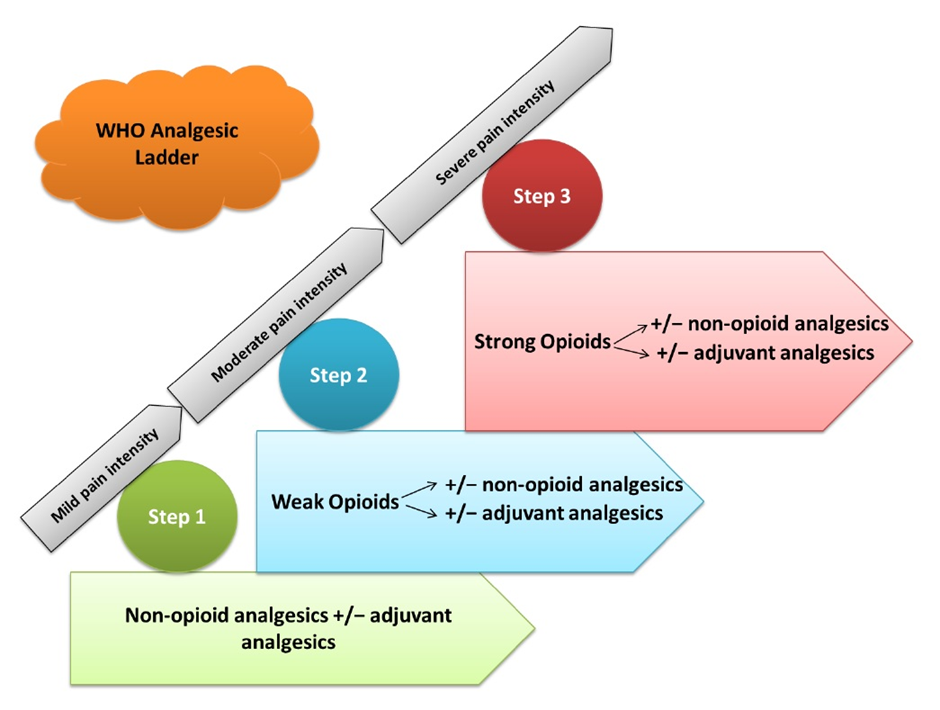
A nurse is caring for a client who has pancreatic cancer and reports severe pain. Which of the following medications should the nurse expect to administer?
Meloxicam
Aspirin
Hydromorphone
Caldofor
The Correct Answer is C
Choice A Reason:
Meloxicam is incorrect. Meloxicam is a nonsteroidal anti-inflammatory drug (NSAID) used primarily for managing mild to moderate pain and inflammation. While it can provide relief for mild pain, it may not be potent enough to effectively manage severe pain, especially in cases of advanced cancer-related pain, where stronger analgesics are often necessary.
Choice B Reason:
Aspirin is incorrect. Aspirin, like meloxicam, is an NSAID used for mild to moderate pain relief and has anti-inflammatory properties. While it can be effective for certain types of pain, it's generally not the first choice for severe pain management, particularly in cases of advanced cancer-related pain where stronger opioids are typically required for adequate relief.
Choice C Reason:
Hydromorphone is correct. Hydromorphone is a potent opioid analgesic used to manage severe pain, especially in cancer-related pain or post-operative settings. In cases of severe pain, opioids like hydromorphone are commonly utilized due to their effectiveness in providing relief.
Choice D Reason:
Caldofor is incorrect. The term "Caldofor" does not appear to correspond to any recognized medication commonly used for pain relief. It's possible that this might be a misspelling or an unfamiliar or less common drug name. Without a specific drug identification, it's challenging to assess its suitability or effectiveness for managing severe pain associated with pancreatic cancer.
Nursing Test Bank
Naxlex Comprehensive Predictor Exams
Related Questions
Correct Answer is C
Explanation
Choice A Reason:
Levothyroxine 100 mcg PO every morning is incorrect. Indicates the dosage (100 mcg) and the route (by mouth) to be taken every morning.
Choice B Reason:
Simvastatin 40 mg PO at bedtime: Specifies the dosage (40 mg) and the timing (at bedtime) for administration.
Choice C Reason:
Acetaminophen 500 mg every 4 hr RN for fever is correct. The term "RN" in this context might be interpreted as "right now" rather than the intended meaning, which could cause confusion regarding the frequency of acetaminophen administration. The nurse should seek clarification to ensure accurate and safe dosing instructions.
Choice D Reason:
Morphine 4 mg IV every 4 hr PRN for pain: Specifies the dosage (4 mg), the route (intravenous), and the frequency (every 4 hours as needed) for pain management.
Correct Answer is C
Explanation
Choice A Reason:
Ondansetron is incorrect. Ondansetron is an anti-nausea medication commonly used in cancer patients to manage nausea and vomiting, often caused by chemotherapy. It's not typically contraindicated or known to interact significantly with morphine administered via a PCA pump. This combination is often used to manage both pain and associated symptoms in cancer patients.
Choice B Reason:
Acetaminophen is incorrect. Acetaminophen is a pain reliever and fever reducer that doesn't typically interact significantly with morphine administered via a PCA pump. It's often used concurrently with other pain medications to manage discomfort in cancer patients. There isn't a known significant interaction between acetaminophen and morphine when used appropriately.
Choice C Reason:
Nalbuphine is correct. Nalbuphine is an opioid analgesic, similar to morphine, and administering it concurrently with morphine could potentially lead to opioid overdose or increased risk of opioid-related side effects such as respiratory depression. Thus, it's crucial to clarify with the provider whether there might be a potential interaction or if both medications are indeed necessary in this specific clinical scenario.
Choice D Reason:
Insulin glargine is incorrect. Insulin glargine is a long-acting insulin used to manage blood sugar levels in individuals with diabetes. While its interaction with morphine isn't typically a concern, it's essential to monitor blood sugar levels closely in individuals receiving opioids like morphine, as opioids can affect glucose metabolism and may necessitate adjustments in insulin dosage.
Whether you are a student looking to ace your exams or a practicing nurse seeking to enhance your expertise , our nursing education contents will empower you with the confidence and competence to make a difference in the lives of patients and become a respected leader in the healthcare field.
Visit Naxlex, invest in your future and unlock endless possibilities with our unparalleled nursing education contents today