
A nurse is preparing to administer lidocaine via continuous IV infusion at 4 mg/min. Available is lidocaine 2 g dextrose 5% in water 500 mL. The nurse should set the IV pump to deliver how many mL/hr?
(Round the answer to the nearest whole number. Use a leading zero if it applies. Do not use a trailing zero.)
The Correct Answer is ["60"]
Step 1: Determine the Lidocaine Concentration
- The solution contains 2 grams (2000 mg) of lidocaine in 500 mL.
- To find the amount of lidocaine per mL:
2000 mg ÷ 500 mL = 4 mg/mL
Step 2: Calculate the Total Dose per Hour
- The prescribed infusion rate is 4 mg per minute.
- In 1 hour (60 minutes), the total dose is:
4 mg/min × 60 min = 240 mg/hr
Step 3: Determine the Infusion Rate in mL/hr
- Since each mL contains 4 mg of lidocaine:
240 mg ÷ 4 mg/mL = 60 mL/hr
The nurse should set the IV pump to 60 mL/hr for the continuous IV infusion of lidocaine at a rate of 4 mg/min.
Nursing Test Bank
Naxlex Comprehensive Predictor Exams
Related Questions
Correct Answer is D
Explanation
Choice A Reason:
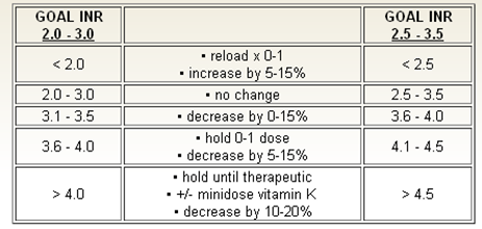
Decrease the dose of the medication is incorrect. Lowering the dose could potentially drop the INR below the therapeutic range, increasing the risk of clot formation.
Choice B Reason:
Increase the dose of the medication is incorrect. Raising the dose might push the INR above the therapeutic range, increasing the risk of bleeding.
Choice C Reason:
Withhold the medication is incorrect. Withholding the medication might lead to inadequate anticoagulation and an increased risk of clot formation.
Choice D Reason:
Administer the current dose of the medication. An INR of 2.5 is within the therapeutic range for many indications, including atrial fibrillation. This means the blood is appropriately anticoagulated to prevent clot formation without an excessive risk of bleeding. In this scenario, maintaining the current dose of warfarin is often appropriate to sustain the desired therapeutic effect.
Correct Answer is B
Explanation
Choice A Reason:
Contact the provider to clarify the prescription is not appropriate. Contacting the provider might not be necessary in this case. The prescription specifies "NOW," indicating an urgent administration, which is a clear directive to administer the medication promptly without further clarification.
Choice B Reason:
Administer the medication within 90 minutes is appropriate. "NOW" typically implies an urgent need for administration, and within a hospital setting, "NOW" often indicates a timeframe of around 90 minutes for prompt administration of the medication.
Choice C Reason:
Notify the pharmacy to send the medication immediately is inappropriate. With the prescription stating "NOW," the need for immediate administration usually requires using the hospital's available stock of the medication rather than waiting for delivery from the pharmacy. This action might cause a delay in administration.
Choice D Reason:
Inform the client there is a prescription available if needed is inappropriate. This option is not suitable in this scenario. "NOW" in the prescription implies the immediate need for administration, so informing the client about the availability of the prescription doesn't align with the urgency implied by the directive "NOW."
Whether you are a student looking to ace your exams or a practicing nurse seeking to enhance your expertise , our nursing education contents will empower you with the confidence and competence to make a difference in the lives of patients and become a respected leader in the healthcare field.
Visit Naxlex, invest in your future and unlock endless possibilities with our unparalleled nursing education contents today