
A nurse is caring for a client who has a prescription for amoxicillin. Which of the following findings indicates the client is experiencing an allergic reaction?
Nausea
Insomnia
Laryngeal edema
Cardiac dysrhythmia
The Correct Answer is C
Choice A Reason:
Nausea is incorrect. Nausea is a common side effect of many medications, including antibiotics like amoxicillin. While it can be a side effect of an allergic reaction, it's also a general symptom that can occur due to various reasons, such as gastrointestinal upset or the direct effects of the antibiotic on the stomach lining. Nausea alone is less specific for indicating an allergic reaction compared to severe symptoms like laryngeal edema.
Choice B Reason:
Insomnia is incorrect. Insomnia, or difficulty sleeping, is not a typical manifestation of an allergic reaction to amoxicillin. Allergic reactions usually involve more immediate and visible symptoms such as skin rash, itching, swelling, difficulty breathing, or in severe cases, anaphylaxis. Insomnia is not a common symptom associated with allergic responses to antibiotics.
Choice C Reason:
Laryngeal edema is correct. Laryngeal edema, or swelling of the larynx, is a serious symptom of an allergic reaction known as anaphylaxis. This severe allergic reaction can be life-threatening due to its potential to obstruct the airway, leading to breathing difficulties.
Choice D Reason:
Cardiac dysrhythmia is incorrect. While medications can sometimes affect heart rhythms, cardiac dysrhythmia is not a common symptom of an allergic reaction to amoxicillin. Allergic reactions tend to manifest with more immediate symptoms like skin reactions, respiratory issues, or swelling rather than primarily affecting the heart rhythm.

Nursing Test Bank
Naxlex Comprehensive Predictor Exams
Related Questions
Correct Answer is C
Explanation
Choice A Reason:
Nausea is incorrect. Nausea is a common side effect of many medications, including antibiotics like amoxicillin. While it can be a side effect of an allergic reaction, it's also a general symptom that can occur due to various reasons, such as gastrointestinal upset or the direct effects of the antibiotic on the stomach lining. Nausea alone is less specific for indicating an allergic reaction compared to severe symptoms like laryngeal edema.
Choice B Reason:
Insomnia is incorrect. Insomnia, or difficulty sleeping, is not a typical manifestation of an allergic reaction to amoxicillin. Allergic reactions usually involve more immediate and visible symptoms such as skin rash, itching, swelling, difficulty breathing, or in severe cases, anaphylaxis. Insomnia is not a common symptom associated with allergic responses to antibiotics.
Choice C Reason:
Laryngeal edema is correct. Laryngeal edema, or swelling of the larynx, is a serious symptom of an allergic reaction known as anaphylaxis. This severe allergic reaction can be life-threatening due to its potential to obstruct the airway, leading to breathing difficulties.
Choice D Reason:
Cardiac dysrhythmia is incorrect. While medications can sometimes affect heart rhythms, cardiac dysrhythmia is not a common symptom of an allergic reaction to amoxicillin. Allergic reactions tend to manifest with more immediate symptoms like skin reactions, respiratory issues, or swelling rather than primarily affecting the heart rhythm.
Correct Answer is B
Explanation
Choice A Reason:
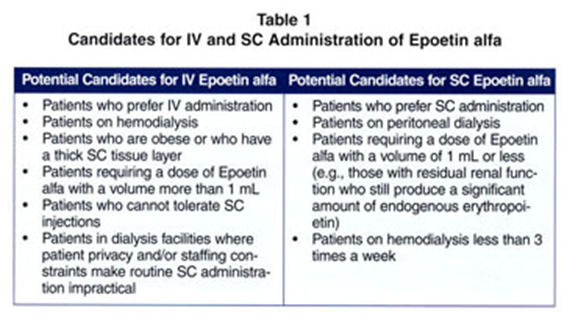
Oral is incorrect. Epoetin alfa is not typically administered orally because it would be broken down by digestive enzymes and not absorbed effectively from the gastrointestinal tract.
Choice B Reason:
Intravenous is correct. Epoetin alfa is a medication used to stimulate red blood cell production and is commonly administered intravenously. This route allows for rapid and efficient absorption of the medication into the bloodstream, enabling it to exert its effects effectively.
Choice C Reason:
Inhalation is incorrect. Inhalation is not a route used for epoetin alfa. This medication is intended for systemic effects rather than local effects in the respiratory system.
Choice D Reason:
Transdermal is incorrect. Transdermal administration involves absorption through the skin and is not suitable for epoetin alfa, which needs rapid and direct access to the bloodstream for its action on red blood cell production.
Whether you are a student looking to ace your exams or a practicing nurse seeking to enhance your expertise , our nursing education contents will empower you with the confidence and competence to make a difference in the lives of patients and become a respected leader in the healthcare field.
Visit Naxlex, invest in your future and unlock endless possibilities with our unparalleled nursing education contents today