
A nurse in the emergency department is admitting a client who has diabetic ketoacidosis and a blood glucose level of 800 mg/dL. Which of the following interventions should the nurse initiate first?
Potassium chloride 10 mEq/hr
Bicarbonate by IV infusion
Subcutaneous insulin injections
0.9% sodium chloride 15 mL/kg/hr
The Correct Answer is D
Choice A rationale: While potassium replacement is important in diabetic ketoacidosis, fluid resuscitation to restore intravascular volume, improve renal perfusion, and flush out ketones.
Choice B rationale: Bicarbonate infusion might be considered in severe acidosis, but fluid administration is the priority.
Choice C rationale: The priority intervention for a client with diabetic ketoacidosis and very high blood glucose levels is to initiate fluid resuscitation to restore intravascular volume, improve renal perfusion, and flush out ketones.
Choice D rationale: The first intervention the nurse should initiate is fluid resuscitation with 0.9% sodium chloride at a rate of 15 mL/kg/hr to restore intravascular volume, improve renal perfusion, and flush out ketones.
Nursing Test Bank
Naxlex Comprehensive Predictor Exams
Related Questions
Correct Answer is C
Explanation
Choice A rationale: Naloxone reverses opioid effects and may lead to decreased pain relief.
Choice B rationale: Naloxone might cause an increase in blood pressure rather than a decrease.
Choice C rationale: Naloxone is an opioid antagonist used to reverse the effects of opioids like morphine. Increased respiratory rate is a therapeutic effect of naloxone, countering the respiratory depression caused by opioids.
Choice D rationale: Naloxone's primary action is to counter opioid-induced respiratory depression, not directly address nausea.
Correct Answer is C
Explanation
Choice A rationale: Myoclonic seizures are not typically associated with neostigmine administration.
Choice B rationale: Fever is not a common adverse effect of neostigmine.
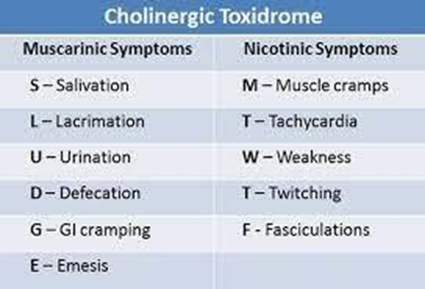
Choice C rationale: Neostigmine, a cholinesterase inhibitor, can lead to excessive muscarinic responses like increased salivation due to its effects on cholinergic receptors.
Choice D rationale: Occipital headaches are not typically reported as a response to neostigmine.
Whether you are a student looking to ace your exams or a practicing nurse seeking to enhance your expertise , our nursing education contents will empower you with the confidence and competence to make a difference in the lives of patients and become a respected leader in the healthcare field.
Visit Naxlex, invest in your future and unlock endless possibilities with our unparalleled nursing education contents today