
A nurse is caring for a client who received neostigmine 1 hr ago and is experiencing a muscarinic response.
Which of the following manifestations should the nurse expect?
Occipital headache.
Fever.
Excessive salivation.
Myoclonic seizure.
The Correct Answer is C
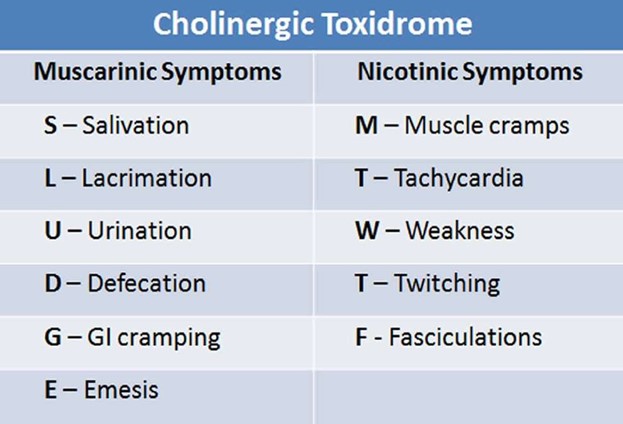
Neostigmine is an anticholinesterase inhibitor that indirectly stimulates both nicotinic and muscarinic receptors by interfering with the breakdown of acetylcholine.
Stimulation of muscarinic receptors can lead to increased salivation.
Choice A is wrong because an occipital headache is not a manifestation of a muscarinic response to neostigmine.
Choice B is wrong because fever is not a manifestation of a muscarinic response to neostigmine.
Choice D is wrong because a myoclonic seizure is not a manifestation of a muscarinic response to neostigmine.
Nursing Test Bank
Naxlex Comprehensive Predictor Exams
Related Questions
Correct Answer is A
Explanation
This is because pioglitazone can cause fluid retention and edema.
Choice B is wrong because tinnitus (ringing in the ears) is not a common adverse effect of pioglitazone.
Choice C is wrong because insomnia (difficulty sleeping) is not a common adverse effect of pioglitazone.
Choice D is wrong because orthostatic hypotension (a drop in blood pressure when standing up) is not a common adverse effect of pioglitazone.
Correct Answer is B
Explanation
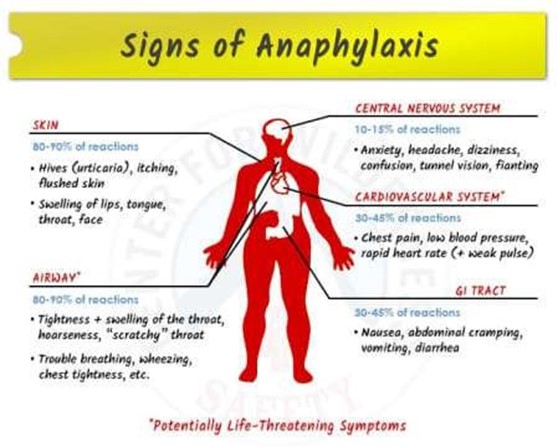
This is because hypotension (low blood pressure) can be a sign of anaphylaxis, which is a severe allergic reaction that can occur with ceftriaxone.
Choice A is wrong because polyuria (increased urination) is not a common sign of an allergic reaction to ceftriaxone.
Choice C is wrong because nausea can be a side effect of ceftriaxone but is not specific to an allergic reaction.
Choice D is wrong because bradycardia (slow heart rate) is not a common sign of an allergic reaction to ceftriaxone.
Whether you are a student looking to ace your exams or a practicing nurse seeking to enhance your expertise , our nursing education contents will empower you with the confidence and competence to make a difference in the lives of patients and become a respected leader in the healthcare field.
Visit Naxlex, invest in your future and unlock endless possibilities with our unparalleled nursing education contents today