
A nurse is assessing a client who has asthma and a prescription for albuterol. The nurse should monitor the client for which of the following adverse effects?
Tachycardia.
Fever.
Constipation.
Drowsiness.
The Correct Answer is A
Albuterol can cause a rapid heart rate (tachycardia).
It is one of the more serious side effects of albuterol.
Choice B is wrong because Fever, is not an answer because it is not mentioned as an adverse effect of albuterol in the search results.
Choice C is wrong because Constipation, is not an answer because it is not mentioned as an adverse effect of albuterol in the search results.
Choice D is wrong because Drowsiness, is not an answer because it is not mentioned as an adverse effect of albuterol in the search results.
Nursing Test Bank
Naxlex Comprehensive Predictor Exams
Related Questions
Correct Answer is D
Explanation
An intravenous (IV) calcium supply can help calm some symptoms of hypermagnesemia.
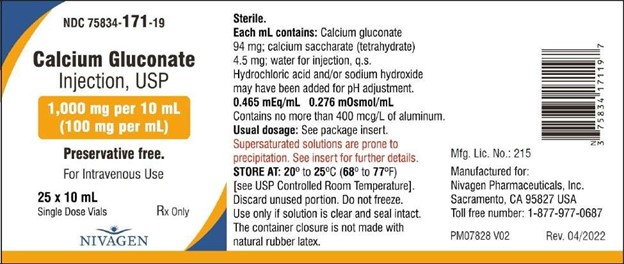
Calcium helps normalize your heartbeat and breathing.
Choice A is wrong because Protamine sulfate, is not used to treat hypermagnesemia.
Choice B is wrong because Flumazenil, is not used to treat hypermagnesemia.
Choice C is wrong because Acetylcysteine, is not used to treat hypermagnesemia.
Correct Answer is D
Explanation
Combining furosemide with certain aminoglycoside antibiotics like amikacin may increase the risk of hearing loss.
The nurse should monitor this client for hearing loss related to a medication interaction.
Choice A is wrong because there is no known interaction between losartan and atorvastatin that can cause hearing loss.
Choice B is wrong because there is no known interaction between propranolol and raloxifene that can cause hearing loss.
Choice C is wrong because there is no known interaction between digoxin and levothyroxine that can cause hearing loss.
Whether you are a student looking to ace your exams or a practicing nurse seeking to enhance your expertise , our nursing education contents will empower you with the confidence and competence to make a difference in the lives of patients and become a respected leader in the healthcare field.
Visit Naxlex, invest in your future and unlock endless possibilities with our unparalleled nursing education contents today