
A nurse in the newborn nursery is caring for a group of newborns. Which of the following newborns requires immediate intervention?
A newborn who is 18 hr post-delivery and has acrocyanosis
A newborn who is 24-hr post-delivery and has not passed meconium
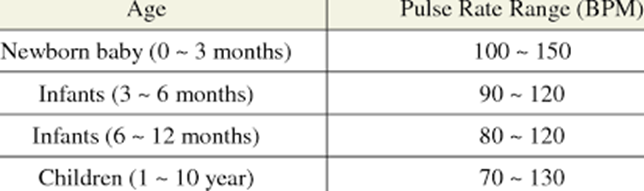
A newborn who is 24 hr post-delivery and has persistent tachycardia with a heart rate of 180 bpm
A newborn who is 24 hr post-delivery and has not voided
The Correct Answer is C
A. Acrocyanosis is a normal finding in newborns and does not require immediate intervention.
B. Not passing meconium within the first 24 hours is not uncommon and may be normal.
C. Persistent tachycardia in a newborn, especially with a heart rate of 180 bpm, requires immediate intervention as it may indicate a cardiac or other medical issue.
D. Not voiding within the first 24 hours may be normal, but it should be monitored.
Nursing Test Bank
Naxlex Comprehensive Predictor Exams
Related Questions
Correct Answer is B
Explanation
A. This is not appropriate for the taking-in stage, as the woman may not be ready to absorb new information or focus on self-care. She may need more verbal instruction and demonstration from the nurse.
B. The taking-in stage is a period of passive, dependent behavior in which the woman reviews her childbirth experience and adjusts to the new role of motherhood. She may need to talk about her labor and delivery repeatedly and seek reassurance from others. The nurse should listen attentively and validate her feelings.
C. This is more suitable for the taking-hold stage, which occurs after the taking-in stage. In this stage, the woman becomes more active and independent, and shows interest in learning how to care for herself and her baby.
D. This is also more appropriate for the taking-hold stage, when the woman develops confidence and competence in her maternal role. In the taking-in stage, she may be more focused on her own needs and rely on others to care for the baby.
Correct Answer is C
Explanation
A. Webbing typically refers to the presence of extra skin between body parts and is not associated with uneven skinfolds on the buttocks or a clunk during the Ortolani maneuver.
B. Clubfoot refers to a deformity of the foot and is not associated with uneven skinfolds on the buttocks or hip abnormalities.
C. Uneven skinfolds on the buttocks and a clunk during the Ortolani maneuver are indicative of hip dysplasia in a newborn.
D. Polydactyly refers to the presence of extra fingers or toes and is unrelated to the described findings.
Whether you are a student looking to ace your exams or a practicing nurse seeking to enhance your expertise , our nursing education contents will empower you with the confidence and competence to make a difference in the lives of patients and become a respected leader in the healthcare field.
Visit Naxlex, invest in your future and unlock endless possibilities with our unparalleled nursing education contents today