
A nurse is assessing a client who has post-traumatic stress disorder. Which of the following findings should the nurse expect? (Select all that apply.)
Blames others for own mistakes
Has difficulty concentrating on set tasks
Difficulty falling or staying asleep
Holds persistent negative belief about self
Talks excessively
Correct Answer : B,C,D
A. Blaming others for one's own mistakes is not typically associated with PTSD. Individuals with PTSD may have heightened irritability or anger, but this does not necessarily translate to blaming others.
B. Difficulty concentrating on tasks is a common symptom of PTSD as individuals may be easily distracted by intrusive thoughts related to their trauma.
C. Difficulty falling or staying asleep is another symptom often reported by individuals with PTSD, which can be attributed to hyperarousal and intrusive thoughts.
D. Holding persistent negative beliefs about oneself is indicative of the negative alterations in cognition and mood associated with PTSD.
E. Talking excessively is not a common finding in PTSD. While some individuals may speak more when anxious, it is not a diagnostic criterion for PTSD.
Nursing Test Bank
Naxlex Comprehensive Predictor Exams
Related Questions
Correct Answer is ["B","C","D"]
Explanation
A. Blaming others for one's own mistakes is not typically associated with PTSD. Individuals with PTSD may have heightened irritability or anger, but this does not necessarily translate to blaming others.
B. Difficulty concentrating on tasks is a common symptom of PTSD as individuals may be easily distracted by intrusive thoughts related to their trauma.
C. Difficulty falling or staying asleep is another symptom often reported by individuals with PTSD, which can be attributed to hyperarousal and intrusive thoughts.
D. Holding persistent negative beliefs about oneself is indicative of the negative alterations in cognition and mood associated with PTSD.
E. Talking excessively is not a common finding in PTSD. While some individuals may speak more when anxious, it is not a diagnostic criterion for PTSD.
Correct Answer is A
Explanation
A. This choice demonstrates an understanding of the importance of utilizing effective coping mechanisms.
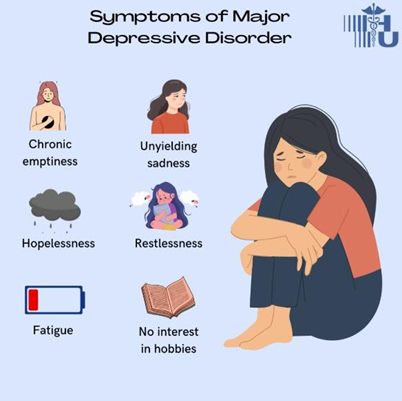
B. Depending solely on a partner to plan daily activities may indicate dependence rather than self-care.
C. Remaining in bed excessively can perpetuate depressive symptoms and hinder recovery.
D. Avoiding discussing upsetting events may prevent processing emotions and hinder progress in therapy.
Whether you are a student looking to ace your exams or a practicing nurse seeking to enhance your expertise , our nursing education contents will empower you with the confidence and competence to make a difference in the lives of patients and become a respected leader in the healthcare field.
Visit Naxlex, invest in your future and unlock endless possibilities with our unparalleled nursing education contents today