
A nurse is assessing a client who is 3 days postpartum. Which of the following findings should the nurse report to the provider?
BP 120/70 mm Hg
Cool clammy skin
Moderate lochia serosa
Heart rate 89/min
The Correct Answer is B
Rationale:
A. A blood pressure of 120/70 mm Hg is within the normal range for a postpartum client and does not require immediate reporting to the provider.
B. Cool clammy skin may indicate hypoperfusion or inadequate blood flow, which could be a sign of hemorrhage or other circulatory issues. This finding should be reported promptly for further evaluation and intervention.
C. Moderate lochia serosa is a normal finding in the early postpartum period and does not typically require immediate reporting.
D. A heart rate of 89/min is within the normal range for a postpartum client and does not require immediate reporting to the provider.
Nursing Test Bank
Naxlex Comprehensive Predictor Exams
Related Questions
Correct Answer is B
Explanation
Rationale:
A. Epigastric discomfort is not typically associated with pyelonephritis. It may be a symptom of other conditions such as gastrointestinal issues or preeclampsia.
B. Flank pain is a common manifestation of pyelonephritis, which is an infection of the kidneys.
Clients with pyelonephritis often experience pain in the flank area, which is located between the lower ribs and the pelvis, on one or both sides of the body.
C. A temperature of 37.7°C (99.8°F) may indicate a low-grade fever, which can be present in pyelonephritis due to the body's immune response to infection.
D. Abdominal cramping may occur with various conditions during pregnancy but is not specific to pyelonephritis.
Correct Answer is C
Explanation
Rationale:
A. Ectopic pregnancy occurs when a fertilized egg implants outside the uterus, typically in the fallopian tube. This scenario does not match the clinical presentation described.
B. Incompetent cervix is characterized by painless cervical dilation in the second trimester and is not relevant to the clinical situation described.
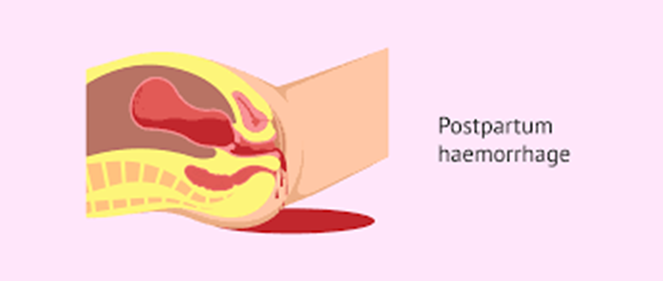
C. Postpartum hemorrhage is a risk when a woman is in advanced labor with significant cervical dilation. The nurse should be vigilant for signs of hemorrhage during labor and after delivery.
D. Hyperemesis gravidarum is severe nausea and vomiting during pregnancy and is not directly related to the client's current labor status.
Whether you are a student looking to ace your exams or a practicing nurse seeking to enhance your expertise , our nursing education contents will empower you with the confidence and competence to make a difference in the lives of patients and become a respected leader in the healthcare field.
Visit Naxlex, invest in your future and unlock endless possibilities with our unparalleled nursing education contents today