
A nurse is assisting with teaching a class about the skeletal muscle. Which of the following should the nurse identify as the function of the skeletal muscle?
Skeletal muscles enable the heart to contract with each heartbeat.
Skeletal muscles enable the bronchioles to dilate in the lungs
Skeletal muscles enable the bladder to contract during voiding
Skeletal muscles enable a hand to contract and form a fist.
The Correct Answer is D
A) This function is carried out by cardiac muscle, not skeletal muscle.
B) This function is controlled by smooth muscle in the bronchioles, not skeletal muscle.
C) Bladder contraction is primarily controlled by smooth muscle in the bladder wall, not skeletal muscle.
D) Skeletal muscles are responsible for voluntary movements, including gripping and making a fist.
Nursing Test Bank
Naxlex Comprehensive Predictor Exams
Related Questions
Correct Answer is D
Explanation
A) This is a medication error, but since it was intercepted before harm occurred, it does not qualify as a sentinel event.
B) While a fall resulting in a fracture is serious, it is not classified as a sentinel event unless the fall results in death, permanent harm, or significant temporary harm.
C) This is a near-miss medication error, which is important to report and investigate but does not meet the criteria for a sentinel event.
D) A sentinel event is an unexpected occurrence involving death or serious physical or psychological injury, or the risk thereof. Death from sepsis following surgery would qualify as a sentinel event.
Correct Answer is D
Explanation
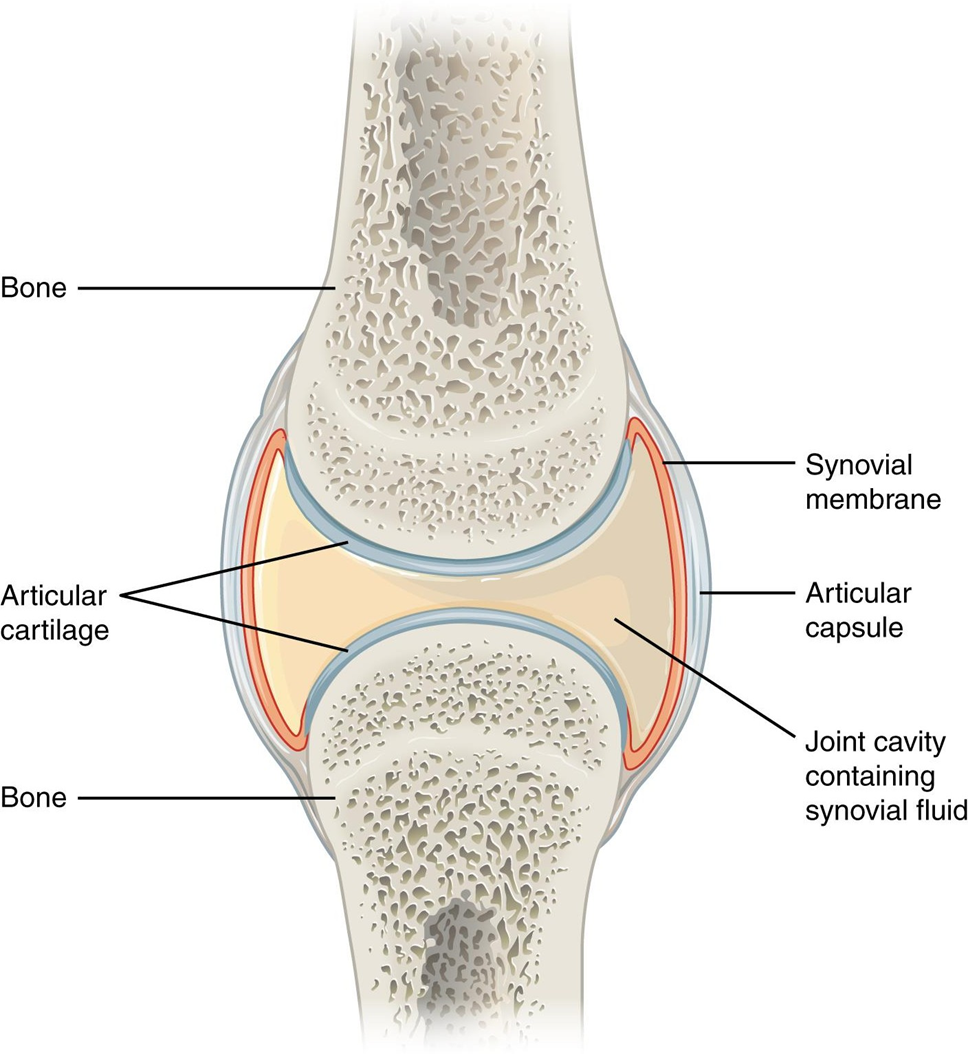
A) Connect muscles to bones and aid in movement but are not fluid-filled capsules.
B) Provides cushioning between bones and aids in smooth movement but is not fluid- filled.
C) Connect bones to other bones and provide stability but are not fluid-filled capsules.
D) Synovial joints are surrounded by a fluid-filled capsule called the synovial membrane, which lubricates the joint and enables movement and flexibility.
Whether you are a student looking to ace your exams or a practicing nurse seeking to enhance your expertise , our nursing education contents will empower you with the confidence and competence to make a difference in the lives of patients and become a respected leader in the healthcare field.
Visit Naxlex, invest in your future and unlock endless possibilities with our unparalleled nursing education contents today