
A nurse is assisting with teaching a community group about the early detection of colorectal cancer. Which of the following screening recommendations should the nurse include for adults 50 years of age and older?
Fecal occult blood test every 4 years.
Flexible sigmoidoscopy every 5 years.
Flexible sigmoidoscopy every 8 years.
Fecal occult blood test every 2 years.
The Correct Answer is B
A. Fecal occult blood tests are typically done annually, not every 4 years.
B. Flexible sigmoidoscopy is recommended every 5 years for colorectal cancer screening.
C. This timeframe is not a standard recommendation for flexible sigmoidoscopy.
D. Fecal occult blood tests are typically done annually, not every 2 years.
Nursing Test Bank
Naxlex Comprehensive Predictor Exams
Related Questions
Correct Answer is D
Explanation
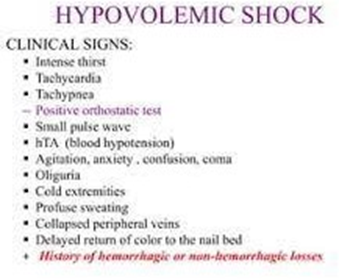
A. Hypovolemic shock is typically associated with hypotension, not hypertension.
B. Hypovolemic shock usually leads to tachypnea as the body compensates for decreased oxygen delivery.
C. Purpura is not a common finding in hypovolemic shock.
D. Reduced urine output is a characteristic finding in hypovolemic shock due to decreased blood flow to the kidneys.
Correct Answer is C
Explanation
A. Shock typically results in tachycardia as the body compensates for decreased perfusion.
B. In shock, there is often decreased urine output due to decreased perfusion to the kidneys.
C. A hallmark sign of shock is low blood pressure as a result of inadequate tissue perfusion.
D. Bowel sounds may be diminished rather than hyperactive in cases of shock.
Whether you are a student looking to ace your exams or a practicing nurse seeking to enhance your expertise , our nursing education contents will empower you with the confidence and competence to make a difference in the lives of patients and become a respected leader in the healthcare field.
Visit Naxlex, invest in your future and unlock endless possibilities with our unparalleled nursing education contents today