
A nurse is caring for a client who has depressive disorder, is in alcohol withdrawal, and reports a recent job loss. Which of the following should be the priority nursing intervention?
Identify support groups in the community for long-term treatment.
Assist the client to identify negative effects of chemical dependency.
Determine the presence and degree of suicidal risk.
Refer client to mental health care provider for evaluation and treatment.
The Correct Answer is C
The nurse should determine the presence and degree of suicidal risk when caring for a client who has a depressive disorder, is in alcohol withdrawal, and reports a recent job loss. This intervention is the priority because the client is at increased risk of suicidal ideation or behavior due to the combination of depression, alcohol withdrawal, and recent job loss. Identifying support groups in the community for long-term treatment.
choice A and referring the client to a mental health care provider for evaluation and treatment.
choice D are important interventions but are not the priority at this time. Assisting the client to identify the negative effects of chemical dependency.
choice B may be necessary but does not address the priority concern of suicidal risk.
Nursing Test Bank
Naxlex Comprehensive Predictor Exams
Related Questions
Correct Answer is D
Explanation
When collecting data from a female client who has anorexia nervosa, the nurse should expect a finding of low bone density.
Anorexia nervosa is an eating disorder characterized by self-starvation, distorted body image, and a fear of gaining weight. Clients with anorexia nervosa are at risk for severe malnutrition, which can lead to a variety of complications, including bone loss and osteoporosis.
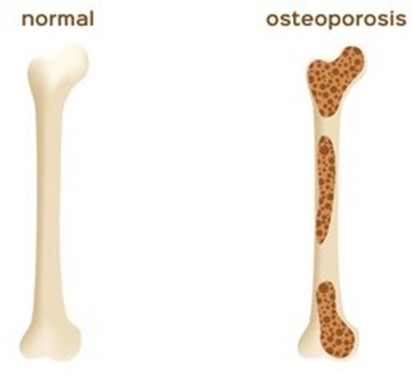
Options A, B, and C are incorrect findings in a client with anorexia nervosa. Decreased cholesterol levels may be an indication of malnutrition. Heavy monthly periods, or menstrual irregularities, may occur in clients with anorexia nervosa because of the hormonal changes that can result from severe weight loss. Elevated serum potassium levels are not a common finding in a client with anorexia nervosa.
Correct Answer is B
Explanation
When a patient with type 1 diabetes mellitus experiences vomiting, diarrhea, and has not consumed food for 24 hours, it is likely that their blood glucose levels have dropped significantly. If insulin treatment continues at the same dosage, hypoglycemia may occur. Therefore, stopping insulin treatment can be dangerous and is an indication for further teaching. Choices A and C are appropriate patient actions, indicating that the patient is monitoring the blood glucose levels and has reached out to their doctor for further management.
Therefore, these are not indications for further teaching.
Whether you are a student looking to ace your exams or a practicing nurse seeking to enhance your expertise , our nursing education contents will empower you with the confidence and competence to make a difference in the lives of patients and become a respected leader in the healthcare field.
Visit Naxlex, invest in your future and unlock endless possibilities with our unparalleled nursing education contents today