
A nurse is caring for a client who has heart failure. The nurse administered furosemide 60 mg IV bolus 30 min earlier. For which of the following findings should the nurse notify the provider?
BUN 15 mg/dL
Potassium 3.8 mEq/L
The client reports dizziness upon standing.
The client reports difficulty hearing.
The Correct Answer is C
Choice A rationale:
A BUN level of 15 mg/dL is within a normal range.
Choice B rationale:
A potassium level of 3.8 mEq/L is within a normal range.
Choice C rationale:
Dizziness upon standing could indicate orthostatic hypotension, which could be a concern following administration of a diuretic like furosemide.
Choice D rationale:
Difficulty hearing is not typically associated with furosemide administration.
Nursing Test Bank
Naxlex Comprehensive Predictor Exams
Related Questions
Correct Answer is C
Explanation
A: Flushing an IV line with dextrose 5% in water before and after medication administration is a common practice to ensure that the medication is delivered properly and to prevent interactions in the IV line. This would not typically require an incident report.
B: An absolute neutrophil count of 2.500/mm3 is within the normal range for patients undergoing chemotherapy and would not typically necessitate an incident report.
C: Having chemotherapy 12 hours before the administration of filgrastim does not contraindicate its use and is within the appropriate time frame as filgrastim is often given after chemotherapy to help recover white blood cell counts.
D: According to the guidelines, filgrastim should be stored in the refrigerator and allowing it to sit at room temperature for 2 hours could compromise its effectiveness. This is a deviation from the medication's storage requirements and could potentially harm the patient, thus an incident report should be filed.
Correct Answer is A
Explanation
Choice A rationale:
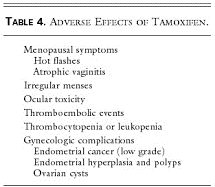
Hot flashes are a common adverse effect of tamoxifen, which is often used to treat hormone receptor-positive breast cancer.
Choice B rationale:
Constipation is not typically associated with tamoxifen.
Choice C rationale:
Urinary frequency is not typically associated with tamoxifen.
Choice D rationale:
Tinnitus is not a common adverse effect of tamoxifen.
Whether you are a student looking to ace your exams or a practicing nurse seeking to enhance your expertise , our nursing education contents will empower you with the confidence and competence to make a difference in the lives of patients and become a respected leader in the healthcare field.
Visit Naxlex, invest in your future and unlock endless possibilities with our unparalleled nursing education contents today