
A nurse is assessing a client after administering phenytoin IV bolus for a seizure. Which of the following findings should the nurse identify as an adverse effect of this medication?
Red man syndrome
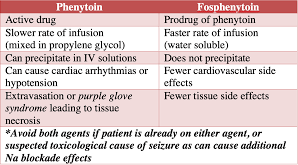
Hypotension
Hypoglycemia
Bradycardia
The Correct Answer is B
Choice A rationale:
Red man syndrome is associated with vancomycin, not phenytoin.
Choice B rationale:
Hypotension, or low blood pressure, can be an adverse effect of phenytoin.
Choice C rationale:
Hypoglycemia is not a typical adverse effect of phenytoin.
Choice D rationale:
Bradycardia is not a common adverse effect of phenytoin.
Nursing Test Bank
Naxlex Comprehensive Predictor Exams
Related Questions
Correct Answer is A
No explanation
Correct Answer is C
Explanation
Choice A rationale:
Slowing the infusion rate would not address the issue of infiltration.
Choice B rationale:
Flushing the IV catheter would not be effective in managing fluid infiltration.
Choice C rationale:
Elevating the extremity helps reduce swelling and limits the spread of infiltrated fluid into surrounding tissues.
Choice D rationale:
Applying pressure to the IV site might be appropriate for preventing bleeding during catheter removal, but it would not effectively manage fluid infiltration.
Whether you are a student looking to ace your exams or a practicing nurse seeking to enhance your expertise , our nursing education contents will empower you with the confidence and competence to make a difference in the lives of patients and become a respected leader in the healthcare field.
Visit Naxlex, invest in your future and unlock endless possibilities with our unparalleled nursing education contents today