
A nurse is caring for a client who is dying. The client says, "My mother died in the hospital, but I did not get before she died." Which of the Following statements should the nurse make?
We can call your family in time for them to get here."
tell your family of your concern so that they can be here
I will make sure a staff member is in your room at all times."
I wonder if you are fearful of dying alone."
The Correct Answer is D
A. "We can call your family in time for them to get here."
While involving the family is important, this response assumes that the client's concern is solely about family being present. The client's statement might have deeper emotional layers, such as fear or regret, that should be addressed.
B. "Tell your family of your concern so that they can be here."
This response puts the responsibility on the client to communicate their concerns to the family. The nurse's role is to provide support and facilitate communication, rather than placing the burden on the client.
C. "I will make sure a staff member is in your room at all times."
While ensuring the client is not alone is important, this response doesn't address the client's emotional concerns or open a dialogue about their feelings. Simply having a staff member present might not address the underlying fear or anxiety the client is experiencing.
D. "I wonder if you are fearful of dying alone."
Explanation: The nurse's response empathizes with the client's feelings and invites a conversation about their emotions. It acknowledges the client's concerns and opens the door for a more in-depth discussion about their fears and feelings regarding dying alone. This approach is patient-centered and encourages the client to express their emotions.
Nursing Test Bank
Naxlex Comprehensive Predictor Exams
Related Questions
Correct Answer is C
Explanation
A. Bleeding:
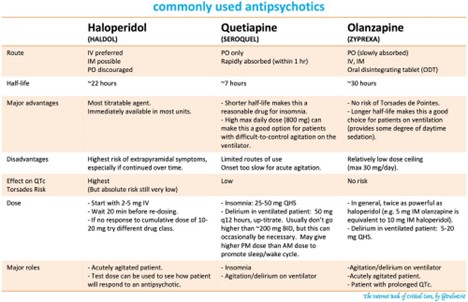
Explanation: Bleeding is not a common adverse effect of haloperidol, which is an antipsychotic medication used to treat conditions like schizophrenia. Haloperidol primarily works on the central nervous system and is not known to directly cause bleeding issues.
B. Cataracts:
Explanation: Cataracts are not a common adverse effect of haloperidol either. While long-term use of some antipsychotic medications can lead to metabolic and endocrine disturbances, which might indirectly impact eye health, cataracts are not a direct and immediate concern with haloperidol use.
C. Dysrhythmias:
Explanation: Correct Answer. Haloperidol has the potential to cause cardiac-related adverse effects, including dysrhythmias (irregular heart rhythms). This is a particular concern in individuals who are predisposed to heart conditions or have other risk factors. The medication can prolong the QT interval, which is a measure of the time it takes for the heart's electrical system to recharge between beats. Prolonged QT interval can lead to serious and potentially life-threatening arrhythmias.
D. Pancreatitis:
Explanation: Pancreatitis is not a common adverse effect of haloperidol. Pancreatitis typically involves inflammation of the pancreas and can be caused by various factors such as gallstones, alcohol consumption, and certain medications. Haloperidol is not known to directly cause inflammation of the pancreas.
Correct Answer is C
Explanation
Encouraging client feedback about their satisfaction with the facility experience is related to communication and patient-centered care, but it's not directly addressing the client's autonomy in making decisions about their own care or treatment.
B) Explaining unit rules and policies regarding unacceptable behaviors:
Explaining unit rules and policies is important for maintaining a safe and therapeutic environment, but it's more about providing information and setting expectations rather than addressing the client's autonomy.
C) Supporting the client's wish to refuse prescribed medications.
Explanation:
Autonomy is the ethical principle that emphasizes an individual's right to make decisions about their own care and treatment. In the context of healthcare, respecting autonomy means that healthcare professionals should honor a patient's decisions as long as they are informed and capable of making those decisions. By supporting the client's wish to refuse prescribed medications, the nurse is respecting the client's autonomy and allowing them to have control over their own treatment decisions.
D) Making sure the client understands expectations for client participation:
Ensuring that the client understands expectations for participation is important for collaboration in their care, but it's not directly related to the client's autonomous decision-making about their treatment.
Whether you are a student looking to ace your exams or a practicing nurse seeking to enhance your expertise , our nursing education contents will empower you with the confidence and competence to make a difference in the lives of patients and become a respected leader in the healthcare field.
Visit Naxlex, invest in your future and unlock endless possibilities with our unparalleled nursing education contents today