
A nurse caring for a cut is who has a deep vein thrombosis and is prescribed heparin by continuous infusion at 1,200 U/hr. Ava A heparin 25,000 units in 500 mL DSW. The nurse should set the IV pump to deliver how many mL/hr? (Round the answer to the nearest tenth number. Use a leading zero if it applies. Do not use a trailing zero.)
The Correct Answer is ["24"]
To calculate the mL/hr for the heparin infusion, you can use the formula:
mL/hr = (Total units required per hour) / (Units/mL in the solution)
Given:
Total units required per hour = 1,200 U/hr
Units/mL in the solution = 25,000 U / 500 mL = 50 U/mL
Plugging in the values:
mL/hr = (1,200 U/hr) / (50 U/mL)
mL/hr = 24 mL/hr (rounded to the nearest tenth)
Therefore, the nurse should set the IV pump to deliver 24 mL/hr for the heparin infusion.
Nursing Test Bank
Naxlex Comprehensive Predictor Exams
Related Questions
Correct Answer is C
Explanation
A. Bleeding:
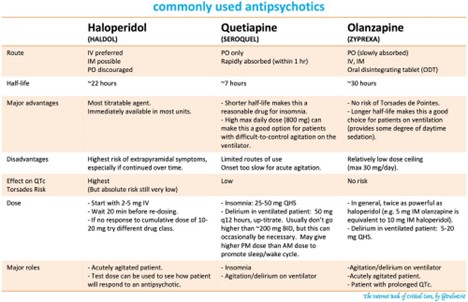
Explanation: Bleeding is not a common adverse effect of haloperidol, which is an antipsychotic medication used to treat conditions like schizophrenia. Haloperidol primarily works on the central nervous system and is not known to directly cause bleeding issues.
B. Cataracts:
Explanation: Cataracts are not a common adverse effect of haloperidol either. While long-term use of some antipsychotic medications can lead to metabolic and endocrine disturbances, which might indirectly impact eye health, cataracts are not a direct and immediate concern with haloperidol use.
C. Dysrhythmias:
Explanation: Correct Answer. Haloperidol has the potential to cause cardiac-related adverse effects, including dysrhythmias (irregular heart rhythms). This is a particular concern in individuals who are predisposed to heart conditions or have other risk factors. The medication can prolong the QT interval, which is a measure of the time it takes for the heart's electrical system to recharge between beats. Prolonged QT interval can lead to serious and potentially life-threatening arrhythmias.
D. Pancreatitis:
Explanation: Pancreatitis is not a common adverse effect of haloperidol. Pancreatitis typically involves inflammation of the pancreas and can be caused by various factors such as gallstones, alcohol consumption, and certain medications. Haloperidol is not known to directly cause inflammation of the pancreas.
Correct Answer is A
Explanation
A. Clients who are involuntarily admitted to a mental health unit retain their rights, including the right to informed consent. This means they must be informed about their treatment, including medications, procedures, and potential risks, and they have the right to accept or refuse treatment, unless a court order states otherwise.
B.Involuntary admission does not automatically mean forced treatment. Clients can refuse medications, unless they are deemed a danger to themselves or others, in which case a court order may be obtained to administer medication.
C.Restraint laws apply equally to all clients, regardless of admission status. Restraints must always be used as a last resort and require a provider’s order, regular assessments, and documentation.
D.Involuntary hospitalization has legal time limits, and court review is required for extended hospitalization. The length of stay varies based on state laws and judicial rulings.
Whether you are a student looking to ace your exams or a practicing nurse seeking to enhance your expertise , our nursing education contents will empower you with the confidence and competence to make a difference in the lives of patients and become a respected leader in the healthcare field.
Visit Naxlex, invest in your future and unlock endless possibilities with our unparalleled nursing education contents today