
A nurse is caring for a client who is experiencing a hypertensive crisis. Which of the following actions should the nurse take?
Initiate an IV dopamine infusion.
Begin an IV bolus of lactated Ringer's.
Perform neurological assessments.
Place the client supine.
The Correct Answer is C
A hypertensive crisis is an emergent situation in which a marked elevation in diastolic blood pressure can cause end-organ damage.
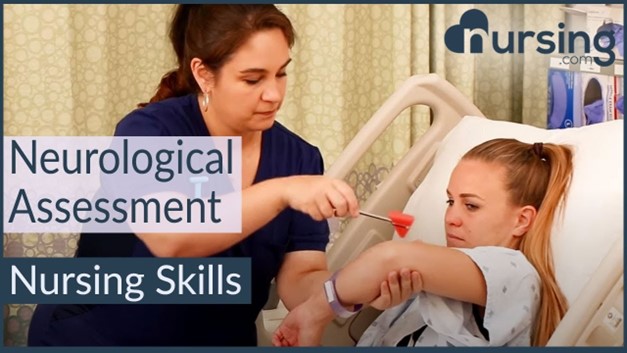
The nurse should perform neurological assessments to monitor for any changes in the patient’s level of consciousness and other neurological symptoms.
Choice A is incorrect because dopamine is not typically used to treat hypertensive crises.
Choice B is incorrect because lactated Ringer’s solution is not typically used to treat hypertensive crises.
Choice D is incorrect because placing the client supine may not be appropriate and could potentially worsen their condition.
Nursing Test Bank
Naxlex Comprehensive Predictor Exams
Related Questions
Correct Answer is C
Explanation
The nurse should plan to notify the Rapid Response Team first.
The client’s blood pressure is elevated, heart rate is high, respiratory rate is high, and oxygen saturation is low.
These are all signs of potential instability and the Rapid Response Team should be notified immediately.
Choice A is incorrect because while obtaining an ECG may be important, it is not the nurse’s first priority in this situation.
Choice B is incorrect because while calculating the extent of burns using the rule of nines may be important, it is not the nurse’s first priority in this situation.
Choice D is incorrect because while initiating peripheral IV access may be important, it is not the nurse’s first priority in this situation.
Correct Answer is ["B","D"]
Explanation
Apricots and nuts are low-purine foods that can be included in a low-purine diet.
Sardines are high in purine and should be limited or avoided.
Scallops are high in purine and should be limited or avoided.
Liver is high in purine and should be limited or avoided.
Whether you are a student looking to ace your exams or a practicing nurse seeking to enhance your expertise , our nursing education contents will empower you with the confidence and competence to make a difference in the lives of patients and become a respected leader in the healthcare field.
Visit Naxlex, invest in your future and unlock endless possibilities with our unparalleled nursing education contents today