
A nurse is admitting a client to the emergency department after a gunshot wound to the abdomen.
Which of the following actions should the nurse take to help prevent the onset of acute kidney failure?
Administer IV fluids to the client.
Insert a urinary catheter.
Prepare the client for an intravenous pyelogram.
Initiate beta-blocker therapy.
The Correct Answer is A
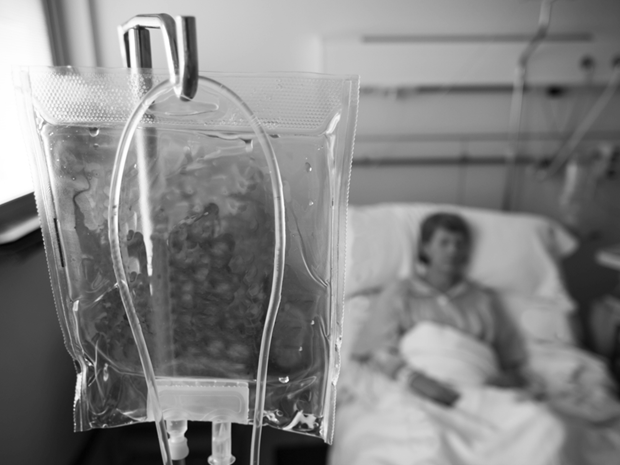
Administering IV fluids can help maintain blood flow to the kidneys and prevent acute kidney failure.
Choice B is incorrect because inserting a urinary catheter does not prevent acute kidney failure.
Choice C is incorrect because an intravenous pyelogram is a diagnostic test and does not prevent acute kidney failure.
Choice D is incorrect because beta-blocker therapy is not used to prevent acute kidney failure.
Nursing Test Bank
Naxlex Comprehensive Predictor Exams
Related Questions
Correct Answer is ["A","D","E"]
Explanation
“Influenza,” and “Herpes zoster.” These statements indicate an understanding of the teaching because these immunizations are recommended for healthy adults after age 60.
Choice B is incorrect because the meningococcal vaccine is not typically recommended for healthy adults after age 60.
Choice C is incorrect because the human papillomavirus (HPV) vaccine is not typically recommended for healthy adults after age 60.
Correct Answer is D
Explanation

The priority topic for the nurse to review with the client is monitoring changes in weight.
A sudden weight gain may mean that the client’s heart failure is getting worse and they should call their doctor if they have a sudden weight gain, such as more than 2 to 3 pounds in a day or 5 pounds in a week.
Choice A is wrong because while daily exercise is important for overall health, it is not the priority topic for the nurse to review with the client.
Choice B is wrong because while daily sodium restrictions are important for managing heart failure, it is not the priority topic for the nurse to review with the client.
Choice C is wrong because while monitoring fluid intake is important for managing heart failure, it is not the priority topic for the nurse to review with the client.
Whether you are a student looking to ace your exams or a practicing nurse seeking to enhance your expertise , our nursing education contents will empower you with the confidence and competence to make a difference in the lives of patients and become a respected leader in the healthcare field.
Visit Naxlex, invest in your future and unlock endless possibilities with our unparalleled nursing education contents today