
A nurse is caring for a client who reports manifestations of gastroesophageal reflux disease (GERD). Which of the following client statements should the nurse identify as a contributing factor to GERD?
"I like to drink a glass of warm milk before bed to help me sleep."
"I try to follow a low-fat, high-protein diet to help me maintain my weight."
"I stopped drinking caffeinated beverages several weeks ago."
"I have recently stopped drinking alcohol."
The Correct Answer is A
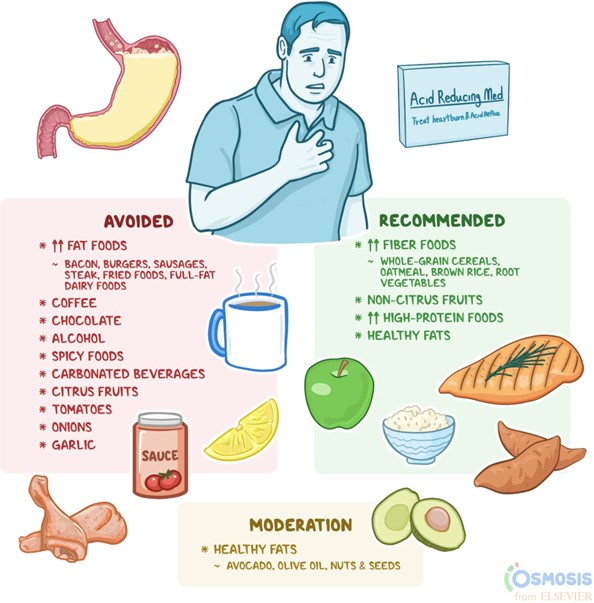
The nurse should identify the statement "I like to drink a glass of warm milk before bed to help me sleep" as a contributing factor to gastroesophageal reflux disease (GERD). Consuming a glass of warm milk before bed can worsen GERD symptoms due to its high-fat content. High-fat foods, including dairy products, can relax the lower esophageal sphincter (LES) and delay gastric emptying, allowing stomach acid to flow back into the esophagus, leading to symptoms of GERD.
"I try to follow a low-fat, high-protein diet to help me maintain my weight": Following a low-fat, high-protein diet is actually beneficial for managing GERD. High-fat foods can worsen GERD symptoms by relaxing the LES and delaying gastric emptying, while a low-fat diet can help reduce symptoms.
"I stopped drinking caffeinated beverages several weeks ago": Avoiding caffeinated beverages is a positive step in managing GERD. Caffeine can stimulate acid production in the stomach and relax the LES, contributing to GERD symptoms.
"I have recently stopped drinking alcohol": Stopping alcohol consumption is also beneficial for managing GERD. Alcohol can relax the LES and increase acid production in the stomach, leading to GERD symptoms.
Nursing Test Bank
Naxlex Comprehensive Predictor Exams
Related Questions
Correct Answer is D
Explanation
Childhood obesity is associated with an increased risk of developing various health problems, and hypertension is one of the most common complications. Excess weight and adiposity can lead to increased blood volume and systemic inflammation, which can contribute to the development of hypertension. Long-standing hypertension in childhood can increase the risk of cardiovascular disease and other health issues later in life.
The other options are incorrect:
Juvenile rheumatoid arthritis is an autoimmune condition characterized by joint inflammation in children. While obesity can place additional stress on joints, it is not directly linked to the development of juvenile rheumatoid arthritis.
Type 1 diabetes mellitus is an autoimmune condition where the body's immune system mistakenly attacks and destroys insulin-producing cells in the pancreas. Obesity is not a known cause of type 1 diabetes.
Hypothyroidism is a condition where the thyroid gland does not produce enough thyroid hormone. While obesity can be associated with thyroid disorders, such as hypothyroidism, it is not a direct complication of childhood obesity.
Correct Answer is A
Explanation
Folate, also known as vitamin B9, is an essential nutrient during pregnancy as it plays a crucial role in the development of the baby's neural tube. When teaching a client about increasing folate in their diet during pregnancy, it's important to recommend foods that are rich in this nutrient.
1/2 cup cooked asparagus: Asparagus is a good source of folate, and 1/2 cup of cooked asparagus contains approximately 134 micrograms of folate.
1/2 cup plain low-fat yogurt: While yogurt is a healthy food choice, it is not a significant source of folate.
1 medium apple: Apples are generally low in folate content and not considered a rich source of this nutrient.
1 small banana: Bananas are also not known for their folate content and do not provide a significant amount of this nutrient.
Given the options provided, 1/2 cup cooked asparagus is the best source of folate. It is important to note that other food sources rich in folate include dark leafy greens, legumes, fortified cereals, and citrus fruits. Encouraging a varied and balanced diet that incorporates these folate-rich foods can help ensure adequate folate intake during pregnancy.
Whether you are a student looking to ace your exams or a practicing nurse seeking to enhance your expertise , our nursing education contents will empower you with the confidence and competence to make a difference in the lives of patients and become a respected leader in the healthcare field.
Visit Naxlex, invest in your future and unlock endless possibilities with our unparalleled nursing education contents today