
A nurse is teaching a client who reports wanting to lose weight about behavioral modifications. Which of the following statements should the nurse include in the teaching?
"Make sure to drink water with your meals."
"Your biggest meal of the day should be breakfast."
"Meal replacement shakes can cause weight gain."
"Set your weight loss goal to 2.5 pounds per week."
The Correct Answer is A
According to some sources, behavioral modifications for weight loss include:
● Keeping a food journal to track your intake and identify patterns
● Eating smaller portions and using smaller plates
● Filling half of your plate with fruits and vegetables
● Getting plenty of sleep and drinking fluids
● Eating slowly and consciously
● Eating breakfast every day
● Avoiding high-calorie add-ons such as cream, butter, mayonnaise and salad dressings
● Not eating while watching television, reading, working or doing other activities
● Planning healthy snacks and meals in advance and bringing them to work
● Replacing eating with another activity that you will not associate with food
Based on these suggestions, the statement that the nurse should include in the teaching is “Make sure to drink water with your meals.” This can help you feel full and hydrated, and reduce your calorie intake from other beverages.
The other statements are either false or not related to behavioral modifications. For example:
● Your biggest meal of the day should be breakfast. This is not a behavioral modification, but a dietary recommendation that may vary depending on your preferences and needs.
● Meal replacement shakes can cause weight gain. This is not a behavioral modification, but a claim that is not supported by evidence. Meal replacement shakes can be part of a weight loss plan if they are used appropriately and provide adequate nutrition.
● Set your weight loss goal to 2.5 pounds per week. This is not a behavioral modification, but a goal that may be unrealistic or unhealthy for some people. A more reasonable goal is to lose 1 to 2 pounds per week.
Nursing Test Bank
Naxlex Comprehensive Predictor Exams
Related Questions
Correct Answer is D
Explanation
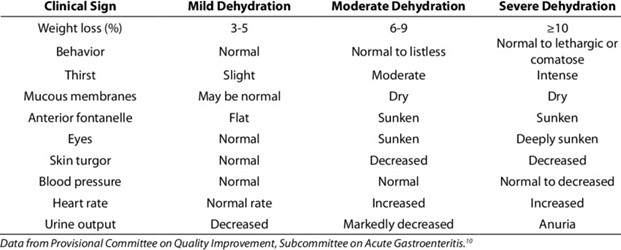
A urine output of 20 mL/hr is considered to be low and suggests decreased fluid intake or fluid loss. In a postoperative client with an indwelling urinary catheter, a low urine output may indicate dehydration, especially if the client is not receiving adequate fluids or experiencing excessive fluid loss.
BUN 15 mg/dL: Blood urea nitrogen (BUN) is a laboratory value that reflects the amount of urea nitrogen in the blood and can be used to assess kidney function and hydration status. A BUN level of 15 mg/dL falls within the normal range, indicating that the client's kidneys are adequately removing urea from the blood. However, it does not provide definitive information about hydration status on its own.
Blood pressure 150/82 mm Hg: The blood pressure reading of 150/82 mm Hg does not provide specific information about hydration status. It is important to consider the client's baseline blood pressure, medical history, and other factors when interpreting blood pressure readings.
Urine specific gravity 1.010: A urine specific gravity of 1.010 falls within the normal range and does not indicate dehydration. It suggests that the concentration of solutes in the urine is within the expected range.
Correct Answer is C
Explanation
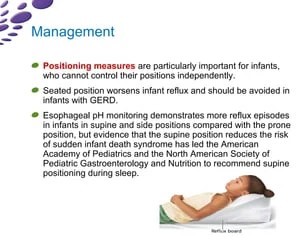
"Position the newborn at a 20-degree angle after feeding": This is the correct instruction. After feeding, it is beneficial to position the newborn at a slight angle, usually around 20 degrees, to help reduce gastroesophageal reflux. This position helps gravity keep the stomach contents down and prevents them from regurgitating back into the esophagus.
"Provide a small feeding just before bedtime": This instruction is not recommended for a newborn with gastroesophageal reflux. It is advisable to avoid feeding the baby just before bedtime as lying down can worsen the reflux symptoms. Instead, it is generally recommended to keep the baby upright for some time after feeding to allow for proper digestion and minimize reflux.
"Place the newborn in a side-lying position if vomiting": Placing the newborn in a side-lying position after vomiting is not recommended. This position does not provide adequate support to prevent choking or aspiration in case of vomiting. Instead, it is recommended to keep the newborn in an upright or slightly elevated position after feeding to minimize reflux.
"Dilute formula with 1 tablespoon of water": Diluting formula with water is not a recommended practice unless specifically advised by a healthcare provider. It is important to follow the instructions on the formula packaging or the healthcare provider's guidance regarding formula preparation to ensure appropriate nutrition and hydration for the newborn.
Whether you are a student looking to ace your exams or a practicing nurse seeking to enhance your expertise , our nursing education contents will empower you with the confidence and competence to make a difference in the lives of patients and become a respected leader in the healthcare field.
Visit Naxlex, invest in your future and unlock endless possibilities with our unparalleled nursing education contents today