
A nurse is providing teaching to a client who has type 1 diabetes mellitus. Which of the following statements by the client indicates an understanding of the teaching?
"I will have ketones in my urine if my blood glucose is maintained at 190 milligrams per deciliter."
"I will keep my blood glucose levels between 200 and 212 milligrams per deciliter."
"I will keep my HbA1c at five percent."
"Albumin in my urine is an indication of normal kidney function."
The Correct Answer is A
In type 1 diabetes mellitus, when blood glucose levels are consistently high, the body may start breaking down fat for energy, leading to the production of ketones. Ketones can be detected in urine as a result. A blood glucose level of 190 milligrams per deciliter is elevated and can potentially trigger the production of ketones. Monitoring urine for ketones can be an important indicator of diabetes management and helps identify potential complications.
The other statements by the client indicate a lack of understanding or potential misconceptions:
● "I will keep my blood glucose levels between 200 and 212 milligrams per deciliter": This statement suggests a target range that is higher than the recommended target blood glucose levels for individuals with diabetes. Generally, the target range for blood glucose levels in individuals with diabetes is lower, typically between 80-130 mg/dL before meals and below 180 mg/dL after meals.
● "Albumin in my urine is an indication of normal kidney function": This statement is incorrect. The presence of albumin in the urine, called albuminuria, is an indication of kidney damage or dysfunction. It is a common sign of kidney disease, including diabetic nephropathy, which is a complication of diabetes affecting the kidneys.
● "I will keep my HbA1c at five percent": While maintaining a lower HbA1c level is generally desirable for individuals with diabetes, a target of five percent is too low. HbA1c is a measure of average blood glucose levels over the past two to three months. The American Diabetes Association (ADA) recommends an HbA1c target of less than 7 percent for most adults with diabetes, although individualized targets may vary based on factors such as age and other health conditions.
Nursing Test Bank
Naxlex Comprehensive Predictor Exams
Related Questions
Correct Answer is D
Explanation
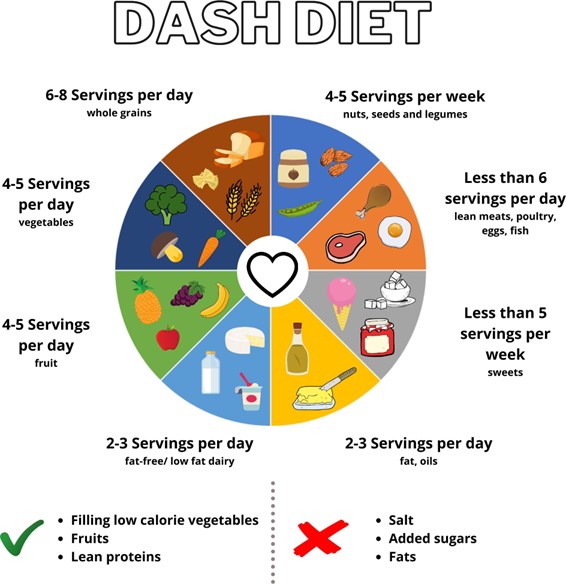
The DASH diet is a dietary approach specifically designed to lower blood pressure. It emphasizes consuming foods that are rich in nutrients like potassium, calcium, and magnesium, while reducing the intake of saturated fat, cholesterol, and sodium. Calcium-rich foods are an important component of the DASH diet as they have been shown to have a beneficial effect on blood pressure. Good sources of dietary calcium include low-fat dairy products, fortified
plant-based milk, leafy green vegetables, and calcium-fortified foods.
"Consume ten percent of total calories from saturated fat": The DASH diet recommends reducing the intake of saturated fat to improve heart health. The goal is to consume no more than 6% of total calories from saturated fat. Saturated fats are typically found in animal products, such as fatty cuts of meat, full-fat dairy products, and tropical oils like coconut and palm oil.
"Increase intake of refined carbohydrates": The DASH diet encourages the consumption of whole grains rather than refined carbohydrates. Whole grains are rich in fiber and other nutrients, which can help lower blood pressure. Refined carbohydrates, on the other hand, can lead to spikes in blood sugar levels and are generally less nutritious.
"Limit sodium intake to 3,200 milligrams per day": The DASH diet recommends reducing sodium intake to 2,300 milligrams per day or less. For individuals with hypertension or at risk for hypertension, including many clients with hypertension, further lowering sodium intake to 1,500 milligrams per day may be advised. Reducing sodium intake is important for blood pressure management.
Correct Answer is C
Explanation
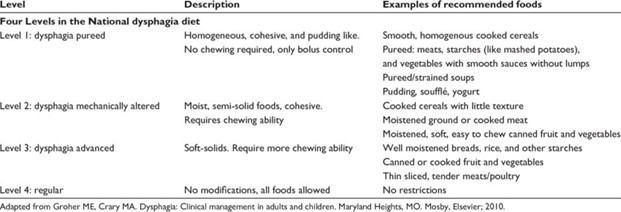
A level 1 dysphagia diet, also known as a pureed diet, is recommended for individuals with severe swallowing difficulties. It involves pureeing or blending all foods to a smooth consistency to facilitate swallowing and prevent choking.
● Chicken noodle soup: This option typically contains solid ingredients such as chicken, noodles, and vegetables, which are not suitable for a level 1 dysphagia diet. The client may have difficulty swallowing these solid components.
● Apple juice: Liquids, including apple juice, are generally not included in a level 1 dysphagia diet as they require minimal swallowing effort. However, it is essential to consult a speech-language pathologist or dysphagia specialist regarding the client's specific liquid consistency recommendations.
● Pudding: Pudding is an ideal choice for a level 1 dysphagia diet as it can be easily pureed to a smooth consistency that is safe for swallowing. It provides a creamy and soft texture that is easier for individuals with dysphagia to manage.
● Milk: Milk is not typically recommended for a level 1 dysphagia diet as it is a liquid and requires minimal swallowing effort. Similar to apple juice, specific liquid consistency recommendations should be sought from a dysphagia specialist.
Whether you are a student looking to ace your exams or a practicing nurse seeking to enhance your expertise , our nursing education contents will empower you with the confidence and competence to make a difference in the lives of patients and become a respected leader in the healthcare field.
Visit Naxlex, invest in your future and unlock endless possibilities with our unparalleled nursing education contents today