
A nurse is caring for a client with unstable angina. Which medication class should the nurse anticipate to be contraindicated for the client due to the risk of exacerbating hypotension?
Anticoagulants
Calcium channel blockers
Beta-blockers
Phosphodiesterase-5 inhibitors
The Correct Answer is D
Choice A reason: Anticoagulants, such as heparin or low-molecular-weight heparins, are standard in the treatment of unstable angina to prevent further thrombus propagation. They do not possess significant systemic vasodilatory properties and do not cause or exacerbate hypotension in the clinical context of managing ischemic heart disease.
Choice B reason: Calcium channel blockers, such as diltiazem or amlodipine, are often indicated for patients with unstable angina to reduce coronary vasospasm and decrease myocardial workload. While they can lower blood pressure, they are therapeutic agents in this condition and are not contraindicted as a class for the specific risk of hypotension.
Choice C reason: Beta-blockers are a cornerstone of therapy for unstable angina because they decrease heart rate and myocardial contractility, thereby reducing oxygen demand. While they do decrease blood pressure, they are considered standard-of-care agents to prevent myocardial infarction and are not contraindicted due to hypotension in this clinical scenario.
Choice D reason: Phosphodiesterase-5 inhibitors, such as sildenafil or tadalafil, are strictly contraindicated in patients receiving nitrates for angina. Both classes increase cyclic guanosine monophosphate, leading to profound, potentially fatal systemic vasodilation and severe, refractory hypotension that can dangerously reduce coronary artery perfusion during an acute ischemic event.
Nursing Test Bank
Naxlex Comprehensive Predictor Exams
Related Questions
Correct Answer is B
Explanation
Choice A reason: Lactate dehydrogenase (LDH) is a non-specific enzyme that was historically used as a marker for myocardial infarction. However, it lacks specificity for cardiac tissue and is not used in modern clinical practice for assessing the risk of developing coronary artery disease.
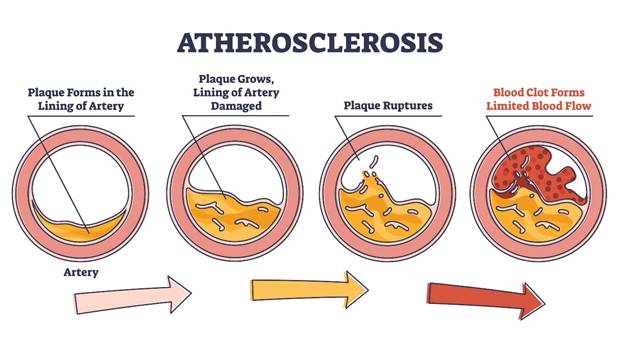
Choice B reason: Low-density lipoprotein (LDL) cholesterol is a primary, modifiable risk factor for the development of atherosclerosis. Elevated levels of LDL lead to the deposition of cholesterol in the arterial walls, forming plaques that narrow the coronary arteries. Monitoring and managing LDL is fundamental to preventing the progression of coronary artery disease.
Choice C reason: Creatinine kinase-MB (CK-MB) is a cardiac-specific isoenzyme that elevates during an active myocardial infarction. It is a diagnostic marker for acute tissue damage, not a predictive screening tool for assessing the future risk of developing coronary artery disease in an asymptomatic client.
Choice D reason: Cardiac troponin levels are highly specific diagnostic markers for acute myocardial injury. Like CK-MB, they are used to detect current or recent heart damage. They have no clinical utility in assessing a client's baseline risk or propensity for developing coronary artery disease in the future.
Correct Answer is B
Explanation
Choice A reason: Lactate dehydrogenase is an enzyme found in many tissues, including heart, liver, and skeletal muscles. It is historically associated with tissue damage markers but lacks the specificity and predictive value required to assess the long-term risk of developing coronary artery disease compared to lipid profile parameters.
Choice B reason: Elevated low-density lipoprotein cholesterol levels are a primary, well-established modifiable risk factor for the development of atherosclerosis. These particles deposit cholesterol into the arterial walls, forming plaques that lead to coronary artery stenosis. Monitoring this level is essential for primary prevention and risk stratification in patients.
Choice C reason: Creatinine kinase-mb is a cardiac-specific isoenzyme used to detect acute myocardial infarction by indicating current or recent myocardial tissue necrosis. It does not provide predictive information regarding the future development of coronary artery disease, as it is a diagnostic tool for acute injury rather than a risk assessment biomarker.
Choice D reason: Cardiac troponin levels, specifically troponin I and T, are highly sensitive and specific markers for myocardial cell injury. They are elevated during acute coronary syndromes and myocardial infarction. Similar to other injury markers, they are not used to screen for or assess the risk of developing future coronary artery disease.
Whether you are a student looking to ace your exams or a practicing nurse seeking to enhance your expertise , our nursing education contents will empower you with the confidence and competence to make a difference in the lives of patients and become a respected leader in the healthcare field.
Visit Naxlex, invest in your future and unlock endless possibilities with our unparalleled nursing education contents today