
A nurse is caring for an infant who has diaper dermatitis. Which of the following actions should the nurse take?
Apply a light layer of talcum powder with each diaper change.
Change to cloth diapers until the skin is healed.
Expose the excoriated area to hot air frequently.
Use a moisturizer to wipe urine from the skin.
The Correct Answer is D
a. Talcum powder is not recommended for use with infants because it can be inhaled, potentially causing respiratory problems. Instead, a barrier cream or ointment (such as zinc oxide or petroleum jelly) should be used to protect the skin from moisture and irritants.
b.While cloth diapers can be less irritating than some disposable diapers, they may not be as effective at keeping the skin dry. The priority is to keep the area dry and clean, regardless of the type of diaper used. Super-absorbent disposable diapers are often recommended because they can help keep the skin dry.
c. Exposing the skin to hot air can cause burns and further irritation. Instead, allowing the skin to air dry naturally (without the use of hot air) during diaper changes can be beneficial.
d. A moisturizer creates a barrier between the skin and irritants like urine and stool. Wiping with a moisturizer can minimize friction during cleaning, which can be uncomfortable for the baby and further irritate the skin. Some moisturizers can help soothe and hydrate the inflamed skin, promoting healing.
Nursing Test Bank
Naxlex Comprehensive Predictor Exams
Related Questions
Correct Answer is A
Explanation
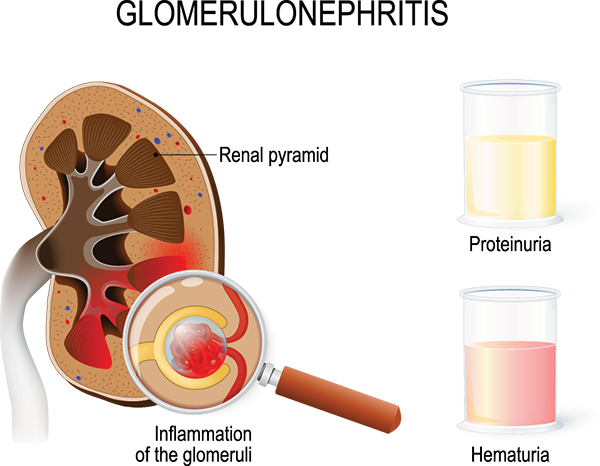
Nursing care planning goals for a child with acute glomerulonephritis are directed toward the excretion of excess fluid through urination.
Monitoring fluid status is very important and daily weights are an effective way to monitor fluid retention, as weight gain is the earliest sign of fluid retention.
Choice B, Educating the parents about potential complications, is important but not the nurse’s priority.
Choice C, Place the child on a no-salt-added diet, which may be part of the treatment
plan but is not the nurse’s priority.
Choice D, Maintaining a saline lock, may be necessary for administering medications but is not the nurse’s priority.
Correct Answer is A
Explanation
Head lice are spread most commonly by direct head-to-head (hair-to-hair) contact.
However, much less frequently they are spread by sharing clothing or belongings onto which lice have crawled or nits attached to shed hairs may have fallen.
Choice B is not correct because lice cannot jump from one child to another. Choice C is not correct because live lice survive less than 1-2 days if they fall off a
person and cannot feed.
Choice D is not correct because washing your child’s hair daily will not prevent lice.
Whether you are a student looking to ace your exams or a practicing nurse seeking to enhance your expertise , our nursing education contents will empower you with the confidence and competence to make a difference in the lives of patients and become a respected leader in the healthcare field.
Visit Naxlex, invest in your future and unlock endless possibilities with our unparalleled nursing education contents today