
A nurse is collecting data from a client who has Cushing’s syndrome. Which of the following findings should the nurse expect?
Weight loss
Diaphoresis
Hyperpigmentation
Hypotension
The Correct Answer is C
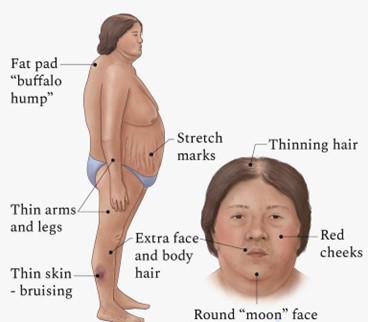
Choice A reason: Weight loss is not a symptom of Cushing’s syndrome. On the contrary, weight gain and obesity are common signs of this condition, especially in the trunk, face and upper back1.
Choice B reason: Diaphoresis, or excessive sweating, is not a symptom of Cushing’s syndrome. It can be caused by other conditions, such as hyperthyroidism, menopause or anxiety.
Choice C reason: Hyperpigmentation, or darkening of the skin, is a symptom of Cushing’s syndrome. It occurs due to increased production of melanin, the pigment that gives color to the skin. Hyperpigmentation can affect any part of the body, but it is more noticeable in areas exposed to friction or pressure, such as the elbows, knees, knuckles and armpits.
Choice D reason: Hypotension, or low blood pressure, is not a symptom of Cushing’s syndrome. In fact, high blood pressure (hypertension) is one of the common symptoms of this condition, due to the effects of cortisol on the cardiovascular system.
Nursing Test Bank
Naxlex Comprehensive Predictor Exams
Related Questions
Correct Answer is B
Explanation
Choice A: Blurred vision is not a typical finding of hypothyroidism. It can be caused by other conditions, such as diabetes, glaucoma, or eye strain.
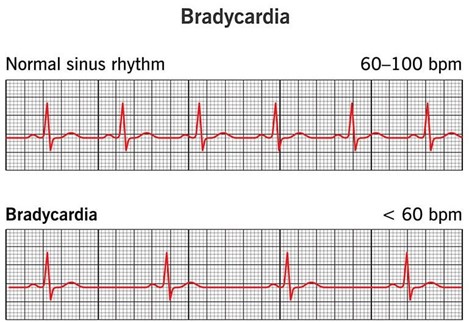
Choice B: Bradycardia is a slow heart rate, usually below 60 beats per minute. This is a common finding of hypothyroidism, as the thyroid hormone regulates the metabolic rate and affects the cardiovascular system. Low levels of thyroid hormone can cause the heart to beat slower and weaker.
Choice C: Insomnia is difficulty falling or staying asleep. This is not a common finding of hypothyroidism, as low thyroid hormone levels can cause fatigue, lethargy, and excessive sleepiness.
Choice D: Moist skin is not a common finding of hypothyroidism, as low thyroid hormone levels can cause dry skin, hair loss, and britle nails. Moist skin can be a sign of hyperthyroidism, which is the opposite condition of hypothyroidism.
Correct Answer is B
Explanation
Choice A: Provide bulk-forming agent. This is incorrect because bulk-forming agents are used to treat constipation, not bowel obstruction. They can worsen the obstruction by increasing the stool volume and pressure in the bowel.
Choice B: Elevate the head of the bed. Elevating the head of the bed is an important intervention for clients with a small bowel obstruction. It can help reduce abdominal pressure, promote comfort, and facilitate better respiratory function, especially if the client is experiencing any associated nausea or vomiting. This position can also aid in the proper positioning of the intestines, potentially helping with any non-complicated obstructions.
Choice D: Monitor intake and output every 8 hr. This is incorrect because monitoring intake and output is not enough to assess the fluid and electrolyte balance of a client with a bowel obstruction. The nurse should monitor intake and output more frequently, such as every 4 hr or every shift, and report any signs of dehydration or imbalance.
Choice C: Measure abdominal girth daily. While this is an important assessment for monitoring the status of the obstruction, the immediate intervention of elevating the head of the bed can provide immediate comfort and support during the acute phase of the obstruction.
Whether you are a student looking to ace your exams or a practicing nurse seeking to enhance your expertise , our nursing education contents will empower you with the confidence and competence to make a difference in the lives of patients and become a respected leader in the healthcare field.
Visit Naxlex, invest in your future and unlock endless possibilities with our unparalleled nursing education contents today