
A nurse is collecting data from a female client during an annual wellness visit. Which client activity is a risk factor for osteoporosis?
Consumes canned sardines twice a week
Uses beclomethasone inhaler
Applies an estrogen vaginal cream daily
Walks 30 minutes per day
The Correct Answer is B
Choice a is not correct because consuming canned sardines twice a week is not a risk factor for osteoporosis, but rather a protective factor. Canned sardines are rich in calcium and vitamin D, which are essential for bone health.
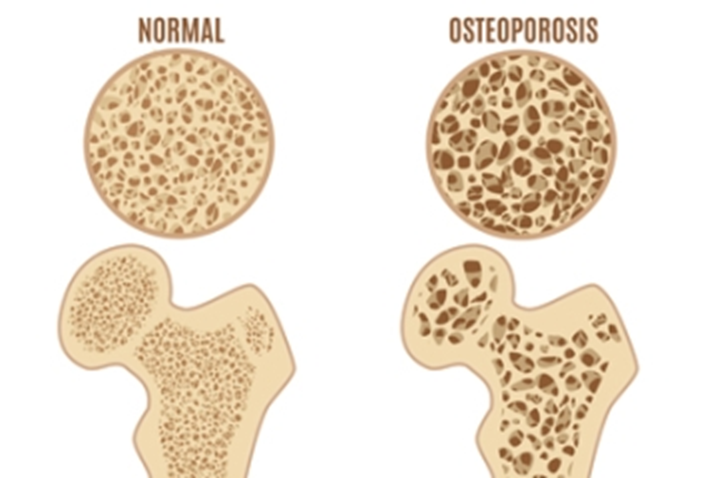
Choice c is not correct because applying an estrogen vaginal cream daily is not a risk factor for osteoporosis, but rather a treatment option. Estrogen therapy can help prevent bone loss and reduce the risk of fractures in postmenopausal women.
Choice d is not correct because walking 30 minutes per day is not a risk factor for osteoporosis, but rather a beneficial exercise. Weight-bearing physical activity can stimulate bone formation and improve bone strength.
Nursing Test Bank
Naxlex Comprehensive Predictor Exams
Related Questions
Correct Answer is C
Explanation
Choice C: Recommending consumption of cold items is an action that the nurse should take to help manage stomatitis, which is inflammation and ulceration of the oral mucosa. Cold items can help soothe the irritation and reduce swelling.
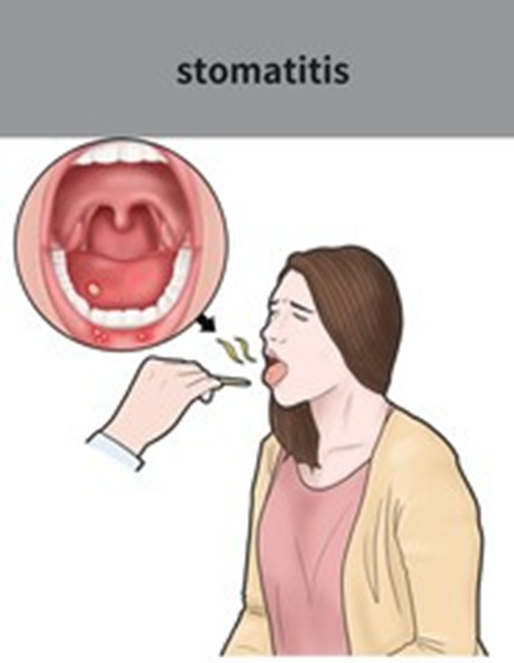
Choice a is not correct because providing an alcohol-based mouthwash is an action that the nurse should avoid when caring for a client who has stomatitis. Alcohol can dry and irritate the oral mucosa and worsen the condition.
Choice b is not correct because minimizing the use of gravies and sauces is not an action that the nurse should take to help manage stomatitis. Gravies and sauces can help moisten dry foods and make them easier to swallow for a client who has stomatitis.
Choice d is not correct because discouraging drinking with a straw is not an action that the nurse should take to help manage stomatitis. Drinking with a straw can help prevent contact between fluids and sore areas of the mouth and reduce pain for a client who has stomatitis.
Correct Answer is C
Explanation
Choice A: This is incorrect because taking iron supplement with an antacid can reduce its absorption and effectiveness. The client should take iron supplement on an empty stomach or with a source of vitamin C to enhance its absorption.
Choice B: This is incorrect because drinking liquid iron supplement undiluted can stain the teeth and cause irritation to the mouth and throat. The client should dilute liquid iron supplement with water or juice and drink it through a straw.
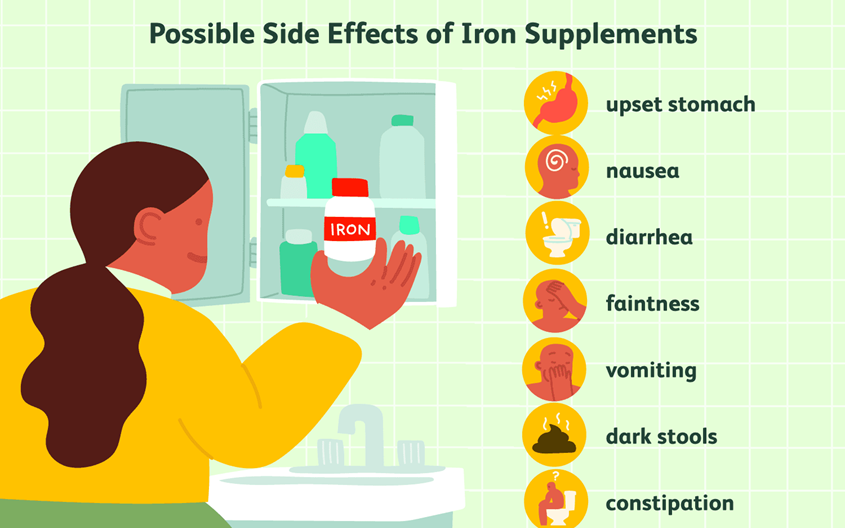
Choice C: This is correct because increasing fiber intake while taking iron supplement can help prevent constipation, which is a common side effect of iron supplementation. The client should also drink plenty of fluids and exercise regularly to promote bowel movements.
Choice D: This is incorrect because notifying the doctor if stools turn black is not necessary as it is a normal and harmless effect of iron supplementation. The client should only notify the doctor if stools are tarry, bloody, or have a foul odor, which can indicate gastrointestinal bleeding.
Whether you are a student looking to ace your exams or a practicing nurse seeking to enhance your expertise , our nursing education contents will empower you with the confidence and competence to make a difference in the lives of patients and become a respected leader in the healthcare field.
Visit Naxlex, invest in your future and unlock endless possibilities with our unparalleled nursing education contents today