
A nurse is collecting data from a newborn who is 1 hr old and was born at 43 weeks of gestation. Which of the following findings should the nurse expect? (Select all that apply.)
Dry, cracked skin
Hypotonia
Excessive lanugo
Absent vernix
Long, hard nails
Correct Answer : B,C,E
A) Incorrect- Dry, cracked skin is not typically associated with a newborn born at 43 weeks of gestation. It's more common in post-term babies.
B) Correct - Hypotonia (low muscle tone) is a possible finding in post-term newborns due to the aging placenta and potential decrease in amniotic fluid.
C) Correct - Excessive lanugo (fine, downy hair) is more likely to be present in post-term babies as they have less vernix to protect their skin.
D) Incorrect- Absent vernix might be more characteristic of a post-term newborn, but its presence or absence varies widely.
E) Correct - Long, hard nails can be a characteristic of post-term babies, as they have had more time for nail growth in the womb.
Nursing Test Bank
Naxlex Comprehensive Predictor Exams
Related Questions
Correct Answer is D
Explanation
A) Incorrect- Having a high-fat snack before bed might exacerbate nausea. It's generally recommended to have a light snack if needed.
B) Incorrect- Eating small, frequent snacks between meals can help manage nausea by preventing an empty stomach.
C) Incorrect- Drinking water with meals might not necessarily help with nausea and might worsen the feeling of fullness.
D) Correct - "Eat a slice of dry toast before getting out of bed" can help alleviate morning sickness in the first trimester. Eating a small, bland snack before rising can prevent an empty stomach, which can contribute to nausea.
Correct Answer is C
Explanation
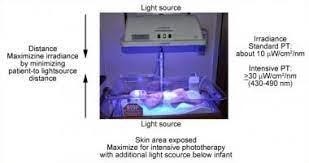
A) Incorrect- Applying ointment to the skin during phototherapy is typically avoided as it can interfere with the effectiveness of the therapy.
B) Incorrect- Giving distilled water after feedings is not a typical intervention for phototherapy.
C) Correct - Repositioning the newborn every 2 to 3 hours is important to ensure adequate exposure of the skin to the phototherapy lights and to prevent pressure points.
D) Incorrect- Monitoring blood glucose levels is not a standard intervention during phototherapy unless there are specific indications for doing so.
Whether you are a student looking to ace your exams or a practicing nurse seeking to enhance your expertise , our nursing education contents will empower you with the confidence and competence to make a difference in the lives of patients and become a respected leader in the healthcare field.
Visit Naxlex, invest in your future and unlock endless possibilities with our unparalleled nursing education contents today