
A nurse is documenting objective findings for a patient undergoing a cardiology assessment. Which of the following entries should the nurse include in the medical record to ensure accurate and legally appropriate documentation?
Patient complains of chest pain and states it started an hour ago.
Plan to initiate beta-blocker therapy and educate patient on medication adherence.
Blood pressure measured at 142/88 mm Hg, with a regular rhythm and bounding pulse.
Observed patient appeared anxious and seemed uncomfortable during examination.
The Correct Answer is C
Choice A reason: Documenting patient complaints of chest pain is accurate, but the phrase "states it started an hour ago" is subjective. While necessary for the chart, objective documentation focuses on measurable data, whereas this entry is a mix of subjective reporting rather than a purely clinical physical assessment finding.
Choice B reason: Documentation of a plan is part of the nursing process, but it describes future intentions rather than a current objective assessment finding. Legal documentation requires a clear separation between what was physically observed during the assessment and the subsequent clinical orders or care planning steps taken.
Choice C reason: This entry is strictly objective, providing measurable hemodynamic data (blood pressure) and specific physical assessment findings (regular rhythm, bounding pulse). This level of detail is essential for legal and clinical accuracy, as it provides a verifiable record of the patient's physiological state during the examination.
Choice D reason: Describing a patient as appearing "anxious" or "seeming uncomfortable" relies on subjective interpretation of the patient's behavior. Objective documentation should describe the clinical observations that led to the conclusion, such as "patient pacing, respiratory rate 22/min, diaphoresis present," rather than using vague subjective labels.
Nursing Test Bank
Naxlex Comprehensive Predictor Exams
Related Questions
Correct Answer is D
Explanation
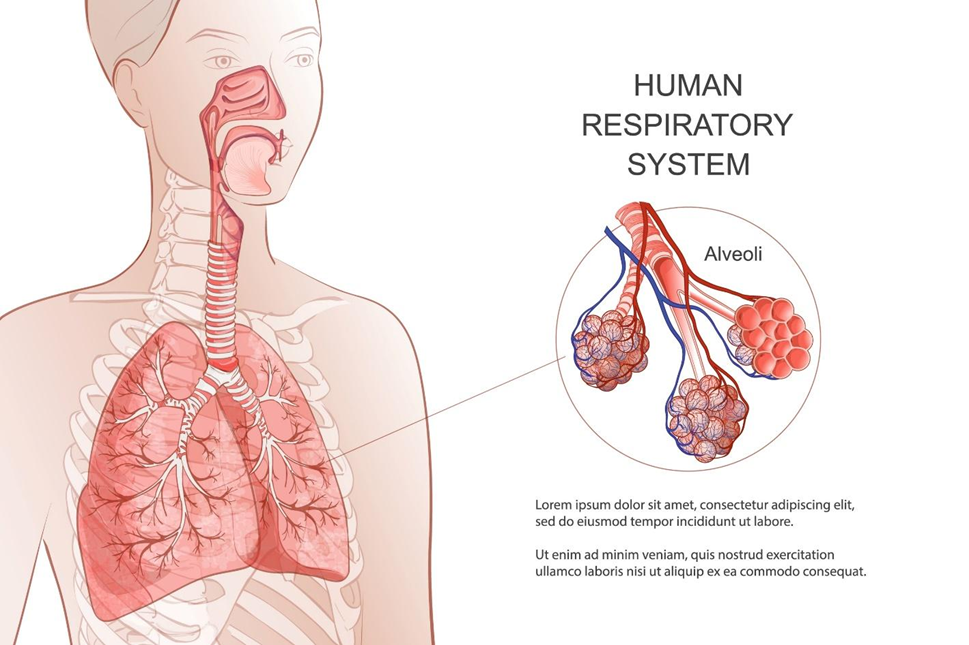
Choice A reason: While a foreign body can cause airway obstruction and localized wheezing, it is not the physiological explanation for the diffuse airway changes seen in pneumonia. Pneumonia involves generalized inflammation, whereas foreign body obstruction is typically sudden and localized to a specific bronchial branch.
Choice B reason: While fluid in the alveoli is a hallmark of pneumonia and leads to impaired gas exchange, this physiological process is more directly related to the finding of crackles (rales) due to the air moving through fluid-filled spaces rather than the wheezing associated with bronchial narrowing.
Choice C reason: Increased surface tension in alveoli is characteristic of respiratory distress syndrome (RDS) due to a surfactant deficiency. While it prevents full expansion and causes respiratory distress, it does not typically manifest as wheezing, which is a sound produced by the high-velocity movement of air through constricted airways.
Choice D reason: In pediatric pneumonia, the inflammatory response often leads to significant mucosal edema, cellular infiltration, and the production of viscous secretions within the bronchioles. This narrowing of the airway lumen increases resistance to airflow, causing the turbulence heard as wheezing, and forces the use of accessory muscles, resulting in retractions.
Correct Answer is B
Explanation
Choice A reason: A pulse deficit occurs when the peripheral pulse rate is lower than the apical heart rate, typically seen in arrhythmias like atrial fibrillation. It is not a pathophysiological consequence of pneumonia and does not correlate with the impaired gas exchange seen in pulmonary infections.
Choice B reason: Pneumonia causes inflammation and consolidation within the lung parenchyma, leading to impaired gas exchange and hypoxia. To compensate for the reduced oxygen saturation and increased metabolic demand, the respiratory center triggers an increase in respiratory rate, resulting in the clinical finding of tachypnea.
Choice C reason: Hypothermia is a core body temperature below 35°C. Pneumonia, being an infectious process, typically triggers an inflammatory response that leads to pyrexia (fever) rather than a reduction in core body temperature, as the body attempts to create an environment hostile to the invading pathogen.
Choice D reason: Bradycardia, or a heart rate below 60 beats per minute, is not a typical response to pneumonia. In fact, due to the presence of fever, hypoxia, and the systemic inflammatory response, patients with pneumonia usually exhibit tachycardia, or an elevated heart rate, as the cardiovascular system attempts to maintain perfusion.
Whether you are a student looking to ace your exams or a practicing nurse seeking to enhance your expertise , our nursing education contents will empower you with the confidence and competence to make a difference in the lives of patients and become a respected leader in the healthcare field.
Visit Naxlex, invest in your future and unlock endless possibilities with our unparalleled nursing education contents today