
A nurse is making a discharge teaching plan for a client who is taking digoxin and furosemide. Which of the following foods should the nurse instruct the client to consume?
Cucumbers.
Blueberries.
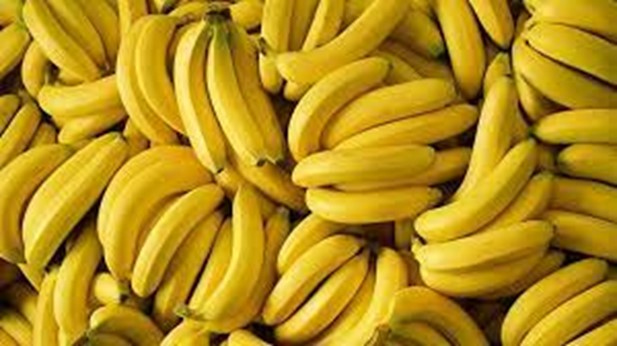
Bananas.
Green beans.
The Correct Answer is C
Choice A rationale:
Cucumbers Cucumbers are not relevant to the client's medication regimen. There is no specific interaction between cucumbers and digoxin or furosemide that would require their consumption or avoidance.
Choice B rationale:
Blueberries Similarly, blueberries do not have any specific interaction with digoxin or furosemide. They are not a necessary or contraindicated food item for this client.
Choice C rationale:
Bananas The nurse should instruct the client to consume bananas. Bananas are a good dietary source of potassium. Furosemide is a loop diuretic that can cause potassium depletion, so it's important for the client to maintain adequate potassium levels. Digoxin can also affect potassium levels, potentially leading to an increased risk of digoxin toxicity if potassium is too low. Including potassium-rich foods like bananas can help mitigate these risks and maintain proper electrolyte balance.
Choice D rationale:
Green beans While green beans are a nutritious vegetable, they do not have a direct relevance to the client's medication regimen. They are not specifically indicated or contraindicated in the context of digoxin and furosemide use.
Nursing Test Bank
Naxlex Comprehensive Predictor Exams
Related Questions
Correct Answer is B
Explanation
Choice A rationale:
A temperature of 37.2°C (99°F) is within the normal range (approximately 36.5°C to 37.5°C or 97.7°F to 99.5°F) and does not specifically indicate fluid volume deficit. It's important to consider this value along with other findings.
Choice B rationale:
(Correct Choice) A pulse rate of 118/min is indicative of tachycardia, which can be a sign of fluid volume deficit. When the body is experiencing a decrease in fluid volume, the heart rate often increases as a compensatory mechanism to maintain adequate circulation. Tachycardia helps to pump a reduced blood volume more rapidly to vital organs.
Choice C rationale:
A blood pressure of 152/90 mm Hg is elevated but does not solely indicate a fluid volume deficit. While low blood pressure can be a sign of dehydration, high blood pressure does not necessarily correlate directly with fluid volume status.
Choice D rationale:
Central venous pressure (CVP) of 25 mm Hg is elevated. CVP reflects the pressure in the vena cava and right atrium, indicating the amount of blood returning to the heart. An elevated CVP might be seen in fluid volume excess or right-sided heart failure, not fluid volume deficit.
Correct Answer is B
Explanation
The correct answer is choice B: Muscle weakness.
Choice A rationale:
Exaggerated reflexes are not typically associated with water intoxication. They can be a sign of other neurological conditions but not specifically related to the administration of hypotonic IV fluids.
Choice B rationale:
Muscle weakness is a symptom of water intoxication, which can occur due to the dilution of electrolytes, including sodium, in the body when a hypotonic solution is administered.
Choice C rationale:
Hypernatremia, or high levels of sodium in the blood, is the opposite of what occurs in water intoxication. Water intoxication leads to hyponatremia, which is a low sodium concentration in the blood.
Choice D rationale:
Weak pulses are not a direct indicator of water intoxication. While they can be associated with various conditions, they do not specifically point to water intoxication following the administration of a hypotonic IV fluid bolus.
Whether you are a student looking to ace your exams or a practicing nurse seeking to enhance your expertise , our nursing education contents will empower you with the confidence and competence to make a difference in the lives of patients and become a respected leader in the healthcare field.
Visit Naxlex, invest in your future and unlock endless possibilities with our unparalleled nursing education contents today