
A nurse is managing a client on SSRIs for depression and first-generation antipsychotics for acute psychosis. What potential complication should the nurse prioritize?
Akathisia
NMS
Serotonin syndrome
EPS
The Correct Answer is B
Choice A reason: Akathisia is a common extrapyramidal side effect characterized by subjective feelings of inner restlessness and an inability to sit still. While distressing and a risk factor for non-compliance or suicide, it is generally not acutely life-threatening compared to systemic syndromes involving autonomic instability and hyperpyrexia.
Choice B reason: Neuroleptic Malignant Syndrome (NMS) is a life-threatening idiosyncratic reaction to antipsychotic drugs. It is characterized by muscle rigidity, fever, autonomic instability, and altered mental status. Given the high mortality rate associated with NMS, the nurse must prioritize this medical emergency over non-lethal side effects of the medication.
Choice C reason: Serotonin syndrome is a potentially life-threatening condition caused by excessive serotonergic activity, often associated with SSRIs. While critical, the use of first-generation antipsychotics significantly elevates the specific risk for NMS. The nurse must distinguish between these syndromes, but NMS is the primary concern when potent dopamine antagonists are used.
Choice D reason: Extrapyramidal symptoms (EPS) encompass a range of movement disorders, including dystonia and pseudoparkinsonism. While these are frequent side effects of first-generation antipsychotics, they are typically manageable with dose adjustments or anticholinergic medications and do not carry the same immediate mortality risk as the systemic collapse seen in NMS.
Nursing Test Bank
Naxlex Comprehensive Predictor Exams
Related Questions
Correct Answer is A
Explanation
Choice A reason: When the amygdala perceives a threat, it signals the hypothalamus to release corticotropin-releasing hormone, which prompts the pituitary gland to secrete adrenocorticotropic hormone. This ultimately triggers the adrenal cortex to release cortisol, a primary stress hormone that increases blood glucose and modulates immune responses to prepare the body for a fight-or-flight reaction.
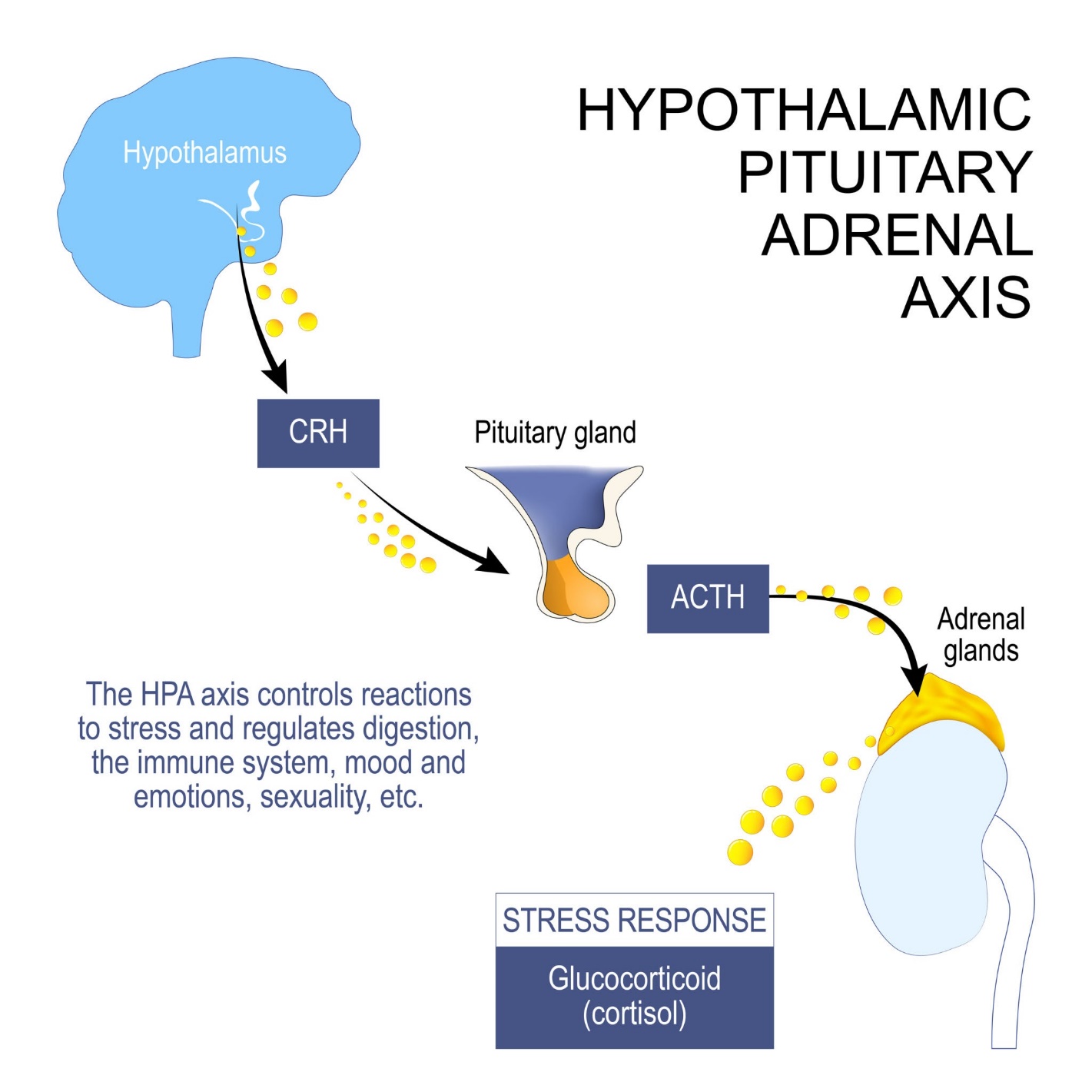
Choice B reason: Acute stress typically results in a transient decrease or dysregulation of serotonin rather than a therapeutic elevation. Serotonin is primarily involved in mood stabilization and impulse control; the HPA axis activation is specifically geared toward the endocrine stress response involving glucocorticoids and catecholamines, not the immediate elevation of inhibitory neurotransmitters.
Choice C reason: The HPA axis and the sympathetic nervous system work in tandem to mobilize energy during stress. In contrast, the parasympathetic nervous system is responsible for "rest and digest" functions and is suppressed during acute stress to allow for maximal physiological arousal and survival behaviors mediated by the sympathetic branch.
Choice D reason: While the motor cortex may be involved in executing physical responses to stress, its activation is not the direct primary endocrine output of the HPA axis. The HPA axis is a neuroendocrine feedback loop specifically designed for chemical signaling and hormonal regulation throughout the systemic circulation rather than localized neuromuscular motor control.
Correct Answer is C
Explanation
Choice A reason: Administering 1 tablet would only provide 10 mg of the medication, which is an underdose of 5 mg based on the 15 mg prescription. Subtherapeutic dosing in selective serotonin reuptake inhibitors can lead to inadequate management of depressive symptoms and may prevent the patient from reaching a clinical remission.
Choice B reason: A 0.5 tablet dose provides only 5 mg of fluoxetine, which is one-third of the required 15 mg daily dose. Such a significant underdose is clinically inappropriate and fails to meet the pharmacological requirements for treating major depressive disorder or other labeled indications for this specific antidepressant medication.
Choice C reason: To calculate the dosage, the formula is Dose Ordered / Dose on Hand = Amount to Administer. In this case, 15 mg / 10 mg = 1.5. Therefore, the nurse must administer 1.5 tablets to accurately deliver the 15 mg prescribed by the provider for the patient's daily pharmacological regimen.
Choice D reason: Administering 2 tablets would result in a total dose of 20 mg, which is an overdose compared to the 15 mg prescription. While 20 mg is a common therapeutic dose, the nurse must strictly adhere to the specific 15 mg order to ensure patient safety and dose accuracy.
Whether you are a student looking to ace your exams or a practicing nurse seeking to enhance your expertise , our nursing education contents will empower you with the confidence and competence to make a difference in the lives of patients and become a respected leader in the healthcare field.
Visit Naxlex, invest in your future and unlock endless possibilities with our unparalleled nursing education contents today