
A nurse is planning an educational conference about informed consent. Which of the following information should the nurse include?
After signing the informed consent, the client can no longer refuse the procedure.
Informed consent includes information about the potential risks of the procedure.
The nurse is responsible for explaining the procedure when obtaining the informed consent.
A nursing student can witness an informed consent.
The Correct Answer is B
When planning an educational conference about informed consent, the nurse should include information about the potential risks of the procedure. Informed consent is a process in which the client is provided with information about a medical procedure or treatment, including its potential risks and benefits, so that they can make an informed decision about whether to proceed.
Option a is incorrect because after signing the informed consent, the client still has the right to refuse the procedure.
Option c is incorrect because it is not the nurse's responsibility to explain the procedure when obtaining informed consent; this is typically done by the healthcare provider performing the procedure.
Option d is incorrect because a nursing student cannot witness an informed consent; only a licensed healthcare professional can do so.
Nursing Test Bank
Naxlex Comprehensive Predictor Exams
Related Questions
Correct Answer is C
Explanation
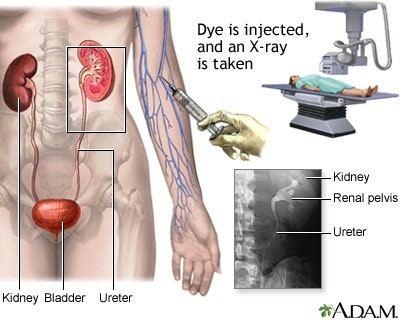
The nurse should assist the client with a bowel cleansing before an intravenous pyelogram. This helps to ensure that the bowel is empty and that the images obtained during the procedure are clear. The other
a. Oral contrast is not typically used for an intravenous pyelogram.
b. Pain in the suprapubic region is not a common side effect of an intravenous pyelogram.
d. Removing metal objects is important for procedures that use magnetic resonance imaging (MRI), but it is not necessary for an intravenous pyelogram.
Correct Answer is C
Explanation
The nurse should arrange for a video conference with an interpreter who speaks the client's language to provide discharge instructions. This ensures that the client receives accurate and complete information in a language they understand. The other
a. Assistive personnel may not be trained or qualified to provide medical interpretation.
b. Family members may not have the necessary medical knowledge to accurately translate medical information.
d. Simply indicating printed instructions in the client's language may not be sufficient to ensure the client understands the information.
Whether you are a student looking to ace your exams or a practicing nurse seeking to enhance your expertise , our nursing education contents will empower you with the confidence and competence to make a difference in the lives of patients and become a respected leader in the healthcare field.
Visit Naxlex, invest in your future and unlock endless possibilities with our unparalleled nursing education contents today