
A nurse is planning care for an 8-month-old infant who has heart failure. Which of the following actions should the nurse include in the plan of care?
Place the infant in a prone position.
Repeat a digoxin dosage if the infant vomits within 1 hr. of administration.
Administer cool, humidified oxygen via nasal cannula
Provide less frequent, higher volume feedings
The Correct Answer is C
Nursing Test Bank
Naxlex Comprehensive Predictor Exams
Related Questions
Correct Answer is A
Explanation
Choice A Reason:
Shrug their shoulders against mild pressure. The accessory nerve controls the movement of the trapezius and sternocleidomastoid muscles. To assess this nerve, the nurse should ask the child to shrug their shoulders against mild resistance or pressure applied by the nurse's hands on the child's shoulders. This action assesses the strength and symmetry of the trapezius muscles.
Choice B Reason:
Move their tongue in all directions. This action assesses the function of the hypoglossal nerve (cranial nerve XII), which controls tongue movement.
Choice C Reason:
Follow a light in the six cardinal positions. This action assesses the function of the extraocular muscles and cranial nerves III, IV, and VI, which control eye movements.
Choice D Reason:
Show their teeth while smiling. This action primarily assesses the facial nerve (cranial nerve VII), which controls facial expressions, including smiling and showing teeth.
Correct Answer is ["D","E"]
Explanation
Choice A Reason:
Heat the formula to 39°C (102°F) prior to administration. Formula temperature should be warm, but heating it to a specific temperature like 39°C (102°F) is not typically necessary. Room temperature or slightly warm formula is often suitable.
Choice B Reason:
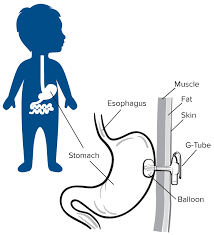
The supine position (lying flat on the back) is not recommended during enteral feedings. Infant should be placedin a semi-upright position (usually around 30 to 45 degrees)- this helps prevent aspiration and aids in proper digestion and passage of the feeding into the stomach.
Choice C Reason:
Offer the infant a pacifier during feedings. Offering a pacifier during enteral feedings could potentially interfere with the feeding process and may increase the risk of aspiration. It's generally not recommended during tube feedings.
Choice D Reason:
Instill the formula over a period of 30 to 45 minutes. Slowly administering the formula over this duration allows for proper digestion and reduces the risk of feeding-related complications.
Choice E Reason:
Check for residual volumes by aspirating stomach contents. Checking for residual volumes helps ensure the stomach is adequately emptying and can help prevent complications such as aspiration or feeding intolerance.
Whether you are a student looking to ace your exams or a practicing nurse seeking to enhance your expertise , our nursing education contents will empower you with the confidence and competence to make a difference in the lives of patients and become a respected leader in the healthcare field.
Visit Naxlex, invest in your future and unlock endless possibilities with our unparalleled nursing education contents today