
A nurse is planning care for an 8-month-old infant who has heart failure. Which of the following actions should the nurse include in the plan of care?
Administer cool, humidified oxygen via nasal cannula.
Place the infant in a prone position.
Repeat a digoxin dosage if the infant vomits within 1 hr of administration.
Provide less frequent, higher volume feedings.
The Correct Answer is A
Infants with heart failure often present with breathing trouble1, and administering oxygen can help improve oxygen delivery.
Choice B is wrong because placing an infant in a prone position does not help with heart failure.
Choice C is wrong because if an infant vomits within 1 hour of administration of digoxin, the dosage should not be repeated without consulting a healthcare provider.
Choice D is wrong because infants with heart failure may have feeding issues and providing less frequent, higher volume feedings may not be helpful34.
Nursing Test Bank
Naxlex Comprehensive Predictor Exams
Related Questions
Correct Answer is B
Explanation
A relaxed facial expression can indicate that the medication is having a therapeutic effect and that the infant is experiencing pain relief.
Choice A is wrong because bradycardia is not an indication that the medication is having a therapeutic effect.
Choice C is wrong because increased blood pressure is not an indication that the medication is having a therapeutic effect.
Choice D is wrong because limb withdrawal is not an indication that the medication is having a therapeutic effect.
Correct Answer is D
Explanation
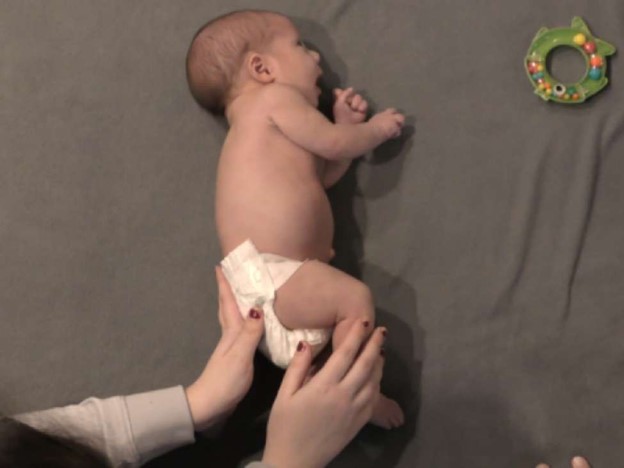
After a tonsillectomy surgery, it is important to place the child in a side-lying position to help keep their airway open and prevent aspiration 1.
Choice A is wrong because deep breathing and coughing may cause discomfort and bleeding after a tonsillectomy.
Choice B is wrong because while ice cream may be soothing for the throat, it is not the only food that can be offered when the child is alert.
Choice C is wrong because drinking fluids through a straw may cause discomfort and bleeding after a tonsillectomy.
Whether you are a student looking to ace your exams or a practicing nurse seeking to enhance your expertise , our nursing education contents will empower you with the confidence and competence to make a difference in the lives of patients and become a respected leader in the healthcare field.
Visit Naxlex, invest in your future and unlock endless possibilities with our unparalleled nursing education contents today