
A nurse is planning to reinforce nutritional teaching with a client who is in her first trimester of pregnancy. The nurse should recommend an increase in which of the following nutrients to support an increase in maternal blood volume during pregnancy?
Calcium
Vitamin E
Iron
Vitamin D
The Correct Answer is C
A) Incorrect- Calcium is important for bone health but is not directly related to increasing maternal blood volume.
B) Incorrect- Vitamin E is an antioxidant that helps protect cells from damage but is not directly related to increasing maternal blood volume.
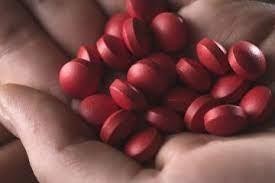
C) Correct - Iron is essential for hemoglobin production, which is necessary to support the increase in maternal blood volume during pregnancy.
D) Incorrect- Vitamin D is important for bone health and calcium absorption but is not directly related to increasing maternal blood volume.
Nursing Test Bank
Naxlex Comprehensive Predictor Exams
Related Questions
Correct Answer is C
Explanation
A) Incorrect- Calcium is important for bone health but is not directly related to increasing maternal blood volume.
B) Incorrect- Vitamin E is an antioxidant that helps protect cells from damage but is not directly related to increasing maternal blood volume.
C) Correct - Iron is essential for hemoglobin production, which is necessary to support the increase in maternal blood volume during pregnancy.
D) Incorrect- Vitamin D is important for bone health and calcium absorption but is not directly related to increasing maternal blood volume.
Correct Answer is ["4"]
Explanation
To calculate the number of tablets needed:
Total dose (2 g) ÷ Dose per tablet (500 mg) = Number of tablets 2,000 mg ÷ 500 mg = 4 tablets
Whether you are a student looking to ace your exams or a practicing nurse seeking to enhance your expertise , our nursing education contents will empower you with the confidence and competence to make a difference in the lives of patients and become a respected leader in the healthcare field.
Visit Naxlex, invest in your future and unlock endless possibilities with our unparalleled nursing education contents today