
A nurse is reinforcing teaching with a client who has gestational hypertension about collecting a 24-hr urine specimen for protein. Which of the following statements should the nurse include in the teaching?
"Cleanse your perineum with povidone-iodine prior to collecting each urine specimen."
"You should start the 24-hour collection with your first urination."
"You should record the time on the collection container of any missed urine specimens."
"Do not add a urine specimen to the collection container if it contains stool
The Correct Answer is C
A) Incorrect- Cleansing the perineum with povidone-iodine is not relevant to the collection process.
B) Incorrect- The 24-hour collection should start with the first-morning urination, not with any random urination.
C) Correct - Recording the time on the collection container for any missed urine specimens is important for accurate measurement.
D) Incorrect- Stool should not be added to the urine collection container, but this is not the most important point to emphasize in this teaching.
Nursing Test Bank
Naxlex Comprehensive Predictor Exams
Related Questions
Correct Answer is C
Explanation
A) Incorrect- Cleansing the perineum with povidone-iodine is not relevant to the collection process.
B) Incorrect- The 24-hour collection should start with the first-morning urination, not with any random urination.
C) Correct - Recording the time on the collection container for any missed urine specimens is important for accurate measurement.
D) Incorrect- Stool should not be added to the urine collection container, but this is not the most important point to emphasize in this teaching.
Correct Answer is A
Explanation
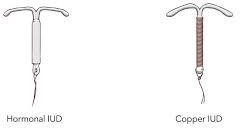
A) Correct- Intrauterine devices (IUDs) have one of the lowest failure rates among contraceptive methods. They are highly effective at preventing pregnancy.
B) Incorrect- Diaphragms have a higher failure rate compared to IUDs.
C) Incorrect- Oral contraceptives have a failure rate slightly higher than IUDs due to the potential for missed doses.
D) Incorrect- Contraceptive sponges have a higher failure rate compared to IUDs.
Whether you are a student looking to ace your exams or a practicing nurse seeking to enhance your expertise , our nursing education contents will empower you with the confidence and competence to make a difference in the lives of patients and become a respected leader in the healthcare field.
Visit Naxlex, invest in your future and unlock endless possibilities with our unparalleled nursing education contents today