
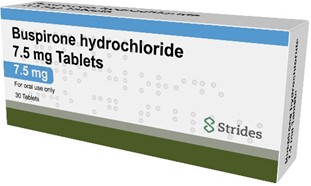
A nurse Is preparing to administer buspirone 15 mg PO daily to a client every 12 hours. Available buspirone is 30 mg/tablet. How many tablets should the nurse administer?
(Write the number only, do not include the label. Record the answer to the nearest tenth, or one decimal place. Use a leading zero if it applies. Do not use a trailing zero.)
The Correct Answer is ["0.5"]
To calculate the number of tablets to administer, we can use the following formula: Number of tablets = Required dose / Tablet strength
In this case, the required dose is 15 mg, and the tablet strength is 30 mg: Number of tablets = 15 mg / 30 mg = 0.5
The nurse should administer 0.5 tablets of buspirone every 12 hours. However, since a tablet cannot be divided, the nurse should administer one tablet every 24 hours.
Nursing Test Bank
Naxlex Comprehensive Predictor Exams
Related Questions
Correct Answer is D
Explanation
This response is open-ended and non-judgmental, allowing the client to reflect on their behavior and share their thoughts and feelings. It also avoids blaming the client or making assumptions about their intentions, which could escalate the situation and damage the therapeutic relationship.
Option A, “I feel angry when I hear that tone of voice,” focuses on the nurse's own feelings and could be perceived as confrontational or defensive.
Option B, “You make me so angry when you talk to me that way,” places blame on the client and may trigger a defensive response.
Option C, “Are you trying to make me angry?” is also confrontational and may be interpreted as accusing the client of intentionally provoking the nurse.
Correct Answer is A
Explanation
Operant conditioning is a type of learning in which behavior is strengthened or weakened by the consequences that follow it. In this case, the clients are rewarded with opportunities to attend movie night and tokens for the concession area when they have achieved attending and participated in five focused therapeutic group sessions. This reward is intended to reinforce the desired behavior of attending and participating in group sessions.
Whether you are a student looking to ace your exams or a practicing nurse seeking to enhance your expertise , our nursing education contents will empower you with the confidence and competence to make a difference in the lives of patients and become a respected leader in the healthcare field.
Visit Naxlex, invest in your future and unlock endless possibilities with our unparalleled nursing education contents today