
A nurse is preparing to administer lithium 300 mg PO every 8 hr. Available is lithium carbonate 150 mg capsules. How many capsules should the nurse administer per dose?
(Round the answer to the nearest whole number. Use a leading zero if it applies. Do not use a trailing zero.)
The Correct Answer is ["2"]
2 capsules
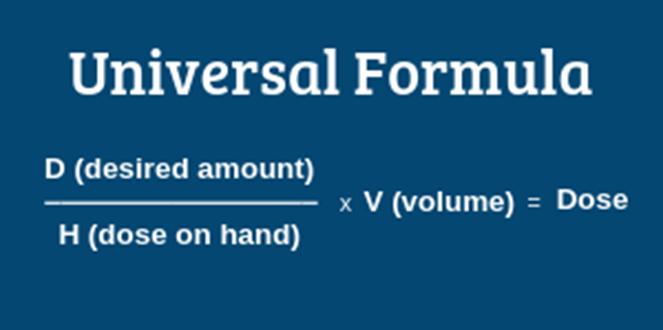
To calculate the number of capsules, use the formula:
capsules = (desired dose in mg / available dose in mg) x 1 capsule
Plug in the given values:
capsules = (300 mg / 150 mg) x 1 capsule
Simplify and solve:
capsules = 2 x 1 capsule
capsules = 2 capsules
Round to the nearest whole number and add a leading zero if needed:
capsules = 2 capsules
Nursing Test Bank
Naxlex Comprehensive Predictor Exams
Related Questions
Correct Answer is C
Explanation
A. Administration of a prescribed bronchodilator is typically recommended approximately 30 minutes prior to meals rather than 1 hour. This pharmacological timing helps reduce dyspnea and facilitates easier deglutition and mastication by improving airflow. Using it too early may result in the peak therapeutic effect tapering off before the client finishes the meal.
B. Consuming 3 large meals each day is contraindicated for clients with chronic obstructive pulmonary disease because a distended stomach can exert upward pressure on the diaphragm. This abdominal crowding significantly increases the work of breathing and leads to early satiety or respiratory distress. Clients are instead encouraged to eat 5 to 6 small, frequent, nutrient-dense meals.
C. The nurse should instruct the client to limit water or fluid intake during the actual mealtime to prevent premature gastric distention. Early fullness from fluids reduces the client’s ability to consume essential solid nutrients and calories required to support the increased metabolic demands of labored breathing. Fluids should be consumed between meals to maintain adequate hydration and thin secretions.
D. Reducing protein intake is inappropriate because these clients require high-protein and high-calorie diets to prevent muscle wasting and support the respiratory muscles. The metabolic cost of breathing in chronic obstructive pulmonary disease is significantly elevated, often leading to a state of malnutrition or cachexia. Protein is vital for tissue repair and maintaining the functional integrity of the diaphragm.
Correct Answer is B
Explanation
This response is empathetic and therapeutic, as it acknowledges the client's feelings and invites her to express her concerns. It also shows respect and interest in the client's perspective.
a) This response is false reassurance and nontherapeutic, as it dismisses the client's feelings and implies
that the surgery will solve everything.
b) This response is self-disclosure and nontherapeutic, as it shifts the focus from the client to the nurse and
does not address the client's fears.
d) This response is minimizing and nontherapeutic, as it tells the client how to feel and does not acknowledge the client's regret or anxiety.
Whether you are a student looking to ace your exams or a practicing nurse seeking to enhance your expertise , our nursing education contents will empower you with the confidence and competence to make a difference in the lives of patients and become a respected leader in the healthcare field.
Visit Naxlex, invest in your future and unlock endless possibilities with our unparalleled nursing education contents today