
A nurse is preparing to test a client's plantar Babinski reflex. Which of the following instructions should the nurse give to prepare the client for this test?
"Place your foot in my hand and I will tap the back of your heel."
"Lie down and I will stroke the bottom of your foot."
"Sit on the edge of the bed while I tap your knee."
"Relax your arm across your chest and I will test your elbow extension."
The Correct Answer is B
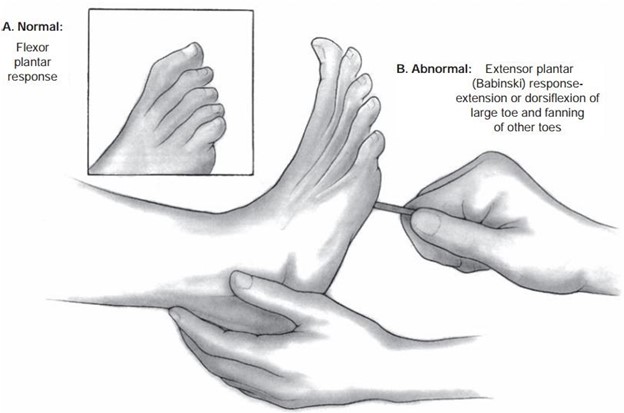
The plantar Babinski reflex is assessed by stroking the sole of the foot from the heel towards the toes. A normal response is the flexion or curling of the toes. An abnormal response, known as a positive Babinski sign, is the extension and fanning out of the toes, which indicates an upper motor neuron lesion.
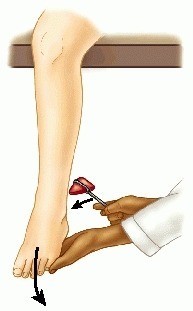
"Place your foot in my hand and I will tap the back of your heel": This instruction is more relevant to testing the Achilles tendon reflex, where the nurse taps the back of the heel to elicit a plantarflexion response.
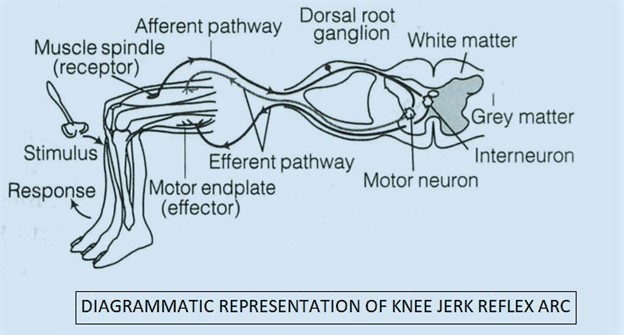
"Sit on the edge of the bed while I tap your knee": This instruction is more relevant to testing the patellar reflex, also known as the knee-jerk reflex. The nurse taps the patellar tendon just below the kneecap to elicit a reflexive contraction of the quadriceps muscle.
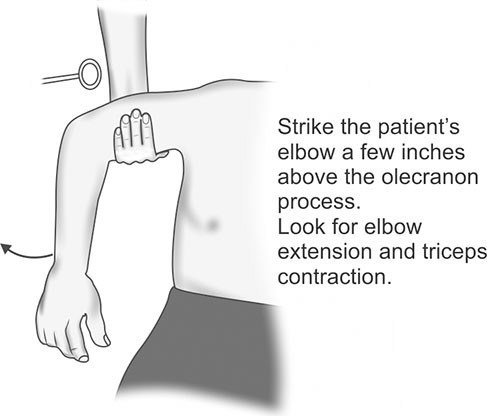
"Relax your arm across your chest and I will test your elbow extension": This instruction is more relevant to testing the triceps reflex, where the nurse taps the triceps tendon to elicit a reflexive extension of the elbow.
Nursing Test Bank
Naxlex Comprehensive Predictor Exams
Related Questions
Correct Answer is D
Explanation
Montelukast is a medication commonly used for the maintenance treatment of asthma. It is not used for immediate relief of wheezing or acute symptoms. Instead, it is taken on a scheduled basis to help control and prevent asthma symptoms over time. The recommended dosing regimen for montelukast in children is once daily in the evening.
The statement about giving the medication every 2 hours if the child is wheezing is incorrect, as this medication is not meant to be used for immediate relief of symptoms. It is a preventive medication.
The statement about it taking 2 months of scheduled use before the medication is effective is incorrect. While it may take some time for the medication to reach its full effect, improvement in symptoms can often be seen within a few days to weeks of starting treatment.
The statement about stopping the medication if the child is taking a steroid is incorrect. Montelukast can be used in conjunction with other asthma medications, including steroids, as prescribed by the healthcare provider. It is important to follow the prescribed treatment plan and not discontinue any medication without consulting the healthcare provider.
Correct Answer is C
Explanation
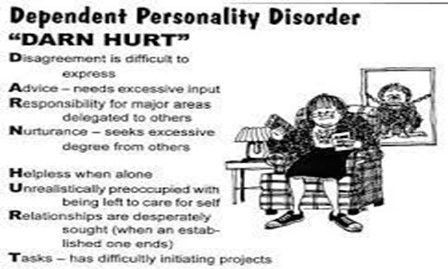
Dependent personality disorder is characterized by an excessive reliance on others for decision-making and a fear of being alone or taking responsibility. Encouraging the client to be assertive helps promote their independence and self-confidence. It allows them to express their needs and preferences, make decisions, and take responsibility for their own actions. Empowering the client to be assertive can enhance their overall well-being and promote healthier relationships.
Limiting the client's social interactions may exacerbate their dependency and hinder their progress in developing more self-reliance and independent coping skills. It is important to encourage appropriate and healthy social interactions while also promoting the client's independence.
Maintaining a verbal no-harm contract with the client is a strategy more commonly used for clients at risk of self-harm or harm to others. It may not be directly applicable to the care of a client with dependent personality disorder unless there are specific safety concerns. Assuming responsibility for making the client's decisions would reinforce their dependency and enable their avoidance of taking personal responsibility. It is important to promote autonomy and support the client in making their own decisions whenever possible.
Whether you are a student looking to ace your exams or a practicing nurse seeking to enhance your expertise , our nursing education contents will empower you with the confidence and competence to make a difference in the lives of patients and become a respected leader in the healthcare field.
Visit Naxlex, invest in your future and unlock endless possibilities with our unparalleled nursing education contents today