
A nurse is providing discharge teaching about blood glucose monitoring for a client who has a new diagnosis of type 2 diabetes mellitus.
The nurse should instruct the client to obtain which of the following supplies?
Sterile lancets.
Compression stockings.
Toenail clippers.
Hand mirror.
The Correct Answer is A
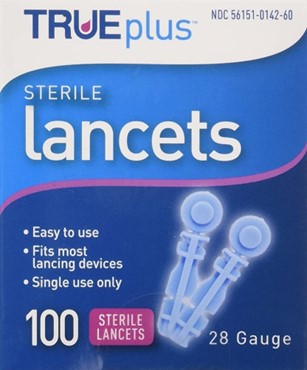
The nurse should instruct the client to obtain sterile lancets for blood glucose monitoring.
Lancets are small needles used to prick the skin to obtain a blood sample for testing blood glucose levels.
Choice B is wrong because compression stockings are not necessary for blood glucose monitoring.
Choice C is wrong because toenail clippers are not necessary for blood glucose monitoring.
Choice D is wrong because a hand mirror is not necessary for blood glucose monitoring.
Nursing Test Bank
Naxlex Comprehensive Predictor Exams
Related Questions
Correct Answer is A
Explanation
People with diabetes should wear cotton rather than nylon socks.
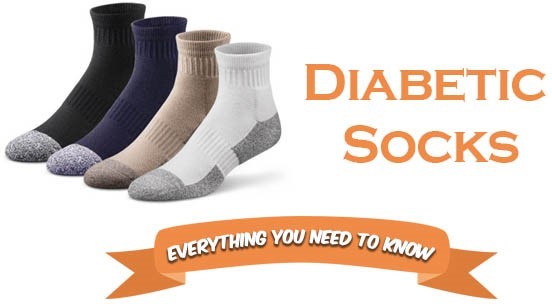
Cotton socks are more breathable and can help keep feet dry, reducing the risk of infection.
Choice B is not the answer because people with diabetes should never use a heating pad on their feet.
Choice C is not the answer because people with diabetes should avoid walking barefoot, even around the house.
Choice D is not the answer because people with diabetes should wash their feet every day in warm water with mild soap, not hot water and antibacterial soap.
Correct Answer is A
Explanation
Acupuncture is commonly used to treat a wide range of illnesses and ailments including pain management, control of nausea and vomiting, fatigue, hot flashes, xerostomia, neuropathy, anxiety, depression, and sleep disturbance in cancer patients.
However, I could not find any information that suggests mouth sores (B), headaches, or urticaria (D) are contraindications for acupuncture.
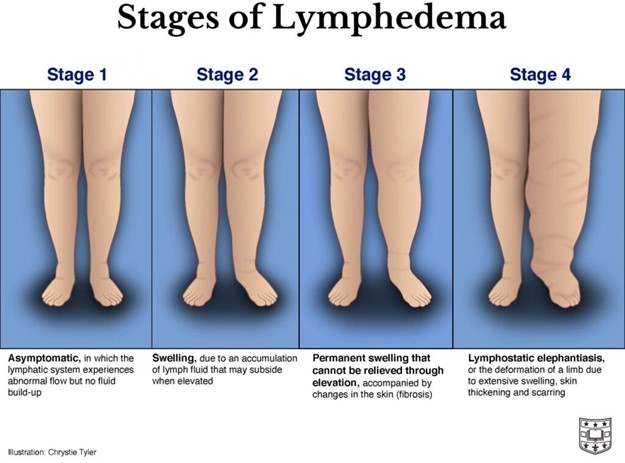
Lymphedema is a contraindication for acupuncture because it can increase the risk of infection in the affected area.
It is important for the nurse to identify this as a contraindication to receiving acupuncture therapy.
Whether you are a student looking to ace your exams or a practicing nurse seeking to enhance your expertise , our nursing education contents will empower you with the confidence and competence to make a difference in the lives of patients and become a respected leader in the healthcare field.
Visit Naxlex, invest in your future and unlock endless possibilities with our unparalleled nursing education contents today