
A nurse is providing teaching to a client who is receiving opioids for pain management.
Which of the following information should the nurse include in the teaching?
"Itching indicates you are having an allergic reaction to the medication.".
"Monitor urinary output for retention.".
"Restrict fluid intake if you experience constipation.".
"Avoid taking antiemetics with the medication.".
The Correct Answer is B
“Monitor urinary output for retention.” Urinary retention is a common side effect of opioid use and should be monitored.
Choice A is not correct because itching can be a side effect of opioids and does not necessarily indicate an allergic reaction.
Choice C is not correct because restricting fluid intake can worsen constipation.
Choice D is not correct because antiemetics may be prescribed to manage nausea and vomiting, which are common side effects of opioids.
Nursing Test Bank
Naxlex Comprehensive Predictor Exams
Related Questions
Correct Answer is C
Explanation
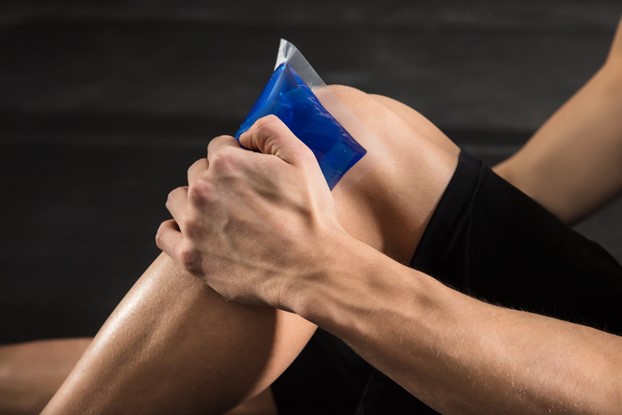
Applying an ice pack can help reduce pain and swelling after total knee arthroplasty.
Placing pillows under the client’s knee (choice A) is not recommended as it can hinder circulation and delay healing.
Performing range-of-motion exercises to the client’s knee (choice B) may be part of the rehabilitation process but should be done under the guidance of a physical therapist and may not be appropriate for immediate pain relief.
Gently massaging the area around the client’s incision (choice D) may not be appropriate as it can cause discomfort and disrupt the healing process.
Correct Answer is C
Explanation
“You should expect a warm sensation after the injection of the contrast dye during the procedure.” During cardiac catheterization, a contrast dye is injected into the body to highlight blood flow through the arteries and show blockages in the blood vessels that lead to the heart.
This can cause a warm sensation.
Choice A is incorrect because usually, patients are awake during cardiac catheterization but are given medications to help them relax.
Choice B is incorrect because recovery time for a cardiac catheterization is quick.
Choice D is incorrect because there is no information found to support this statement.
Whether you are a student looking to ace your exams or a practicing nurse seeking to enhance your expertise , our nursing education contents will empower you with the confidence and competence to make a difference in the lives of patients and become a respected leader in the healthcare field.
Visit Naxlex, invest in your future and unlock endless possibilities with our unparalleled nursing education contents today