
A nurse is providing discharge teaching for a client who is postoperative following a simple mastectomy. The client is to begin outpatient radiation therapy the next day. Which of the following instructions about maintaining skin integrity should the nurse include?
Do not apply heat to the area of irradiation.
Use an antibiotic ointment to treat skin breakdown.
Lubricate the skin with hypoallergenic lotion.
Do not wash the area of irradiation.
The Correct Answer is A
Choice A: Do not apply heat to the area of irradiation. This instruction is correct and should be included in the teaching. Applying heat to the area of irradiation can increase inflammation, pain, or burning sensation on the skin. The client should avoid heat sources such as hot water, heating pads, or sun exposure in the area of irradiation.
Choice B: Use an antibiotic ointment to treat skin breakdown. This instruction is not correct and should not be included in the teaching. Using an antibiotic ointment to treat skin breakdown can cause allergic reactions, infection, or interference with radiation therapy. The client should consult with her provider before using any topical products in the area of irradiation.
Choice C: Lubricate the skin with hypoallergenic lotion. This instruction is not correct and should not be included in the teaching. Lubricating the skin with hypoallergenic lotion can cause irritation, infection, or interference with radiation therapy. The client should avoid applying any lotions, creams, or oils on the area of irradiation unless prescribed by her provider.
Choice D: Do not wash the area of irradiation. This instruction is not correct and should not be included in the teaching. Washing the area of irradiation can help prevent infection, remove dead skin cells, and reduce odor. The client should wash the area of irradiation gently with mild soap and water, pat it dry, and avoid rubbing or scrubbing.

Nursing Test Bank
Naxlex Comprehensive Predictor Exams
Related Questions
Correct Answer is ["C","D","E"]
Explanation
Choice A reason: Baby oil is not an acceptable lubricant, as it can damage the condom and reduce its effectiveness. The students should use water-based or silicone-based lubricants instead.
Choice B reason: Ensuring a tight fit of the condom is not advisable, as it can cause discomfort and increase the risk of breakage. The students should leave some space at the tip of the condom to collect semen and prevent spillage.
Choice C reason: Only using latex condoms is correct, as they are more effective than other materials in preventing pregnancy and sexually transmitted infections. The students should avoid using condoms made of natural skin or lambskin, as they are porous and can allow viruses to pass through.
Choice D reason: Placing the condom on an erect penis is correct, as it ensures proper application and prevents slippage. The students should unroll the condom over the entire length of the penis before any sexual contact.
Choice E reason: Storing the condoms in a cool dry place is correct, as it prevents exposure to heat, moisture, sunlight, or sharp objects that can damage the condom. The students should check the expiration date and integrity of the condom before use.
Correct Answer is A
Explanation
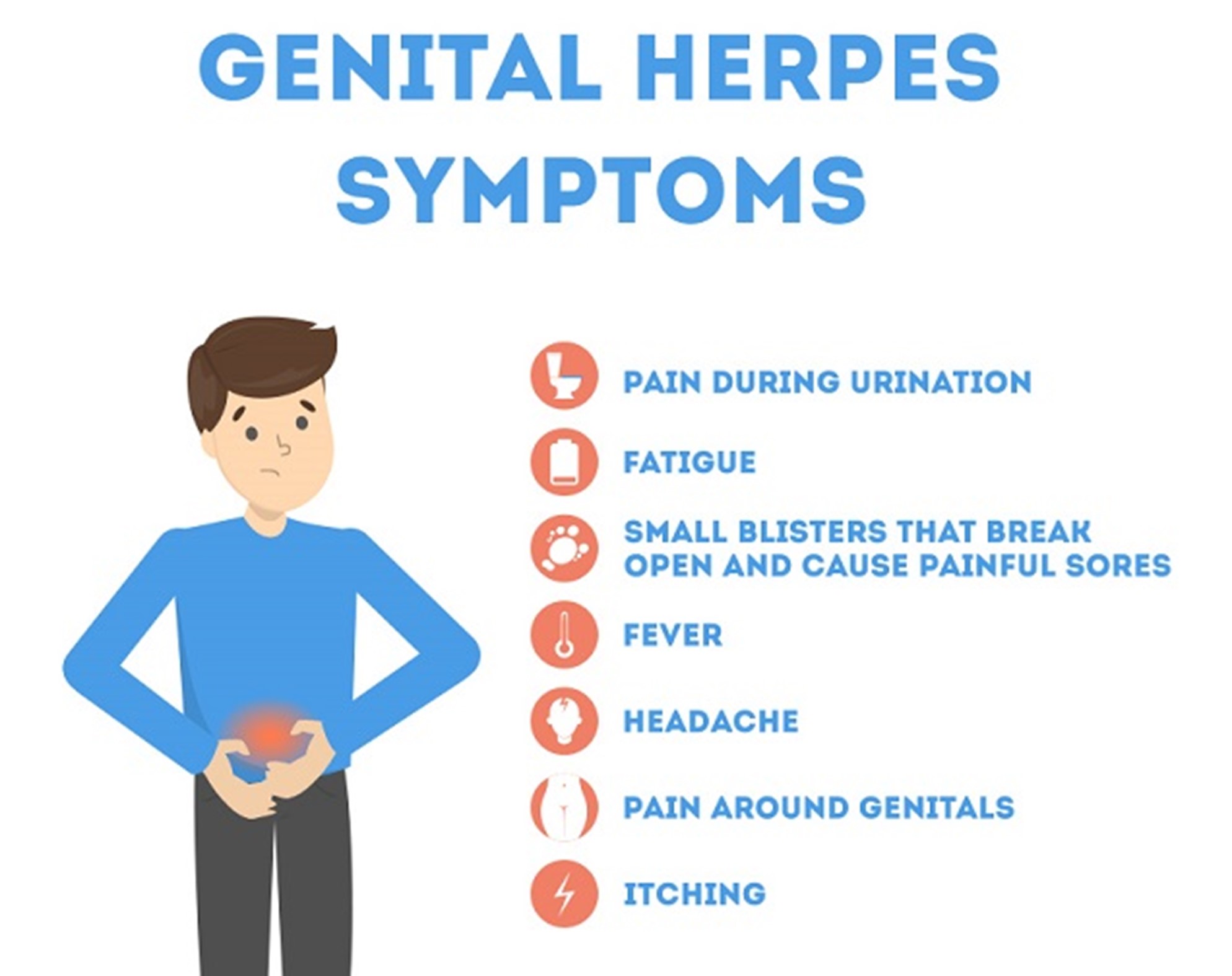
Choice A: Reports of itching, tingling, and pain in the genital area are the correct answer because they are common symptoms of genital herpes. Genital herpes is a sexually transmitted infection (STI) caused by the herpes simplex virus (HSV). It can cause outbreaks of painful blisters or sores on or around the genitals, anus, or mouth. The blisters or sores usually heal within a few weeks, but the virus remains in the body and can reactivate at any time. Before an outbreak, some people may experience prodromal symptoms such as itching, tingling, or pain in the affected area.
Choice B: Painful urination with a penile discharge present is not the correct answer because it is more likely a symptom of another STI, such as gonorrhea or chlamydia. Gonorrhea and chlamydia are bacterial infections that can affect the urethra, cervix, rectum, or throat. They can cause symptoms such as burning or pain during urination, abnormal discharge from the penis or vagina, or bleeding between periods.
Choice C: Wart-like flesh-colored lesions on the scrotal area are not the correct answer because they are more likely a symptom of another STI, such as human papillomavirus (HPV). HPV is a viral infection that can cause genital warts or cervical cancer. Genital warts are small, soft, flesh-colored growths that can appear on or around the genitals, anus, or mouth. They may be flat, raised, or cauliflower-shaped.
Choice D: A chancre on the penis is not the correct answer because it is more likely a symptom of another STI, such as syphilis. Syphilis is a bacterial infection that can affect various organs and systems of the body. It has four stages: primary, secondary, latent, and tertiary. In the primary stage, syphilis causes a painless sore called a chancre that can appear on or around the genitals, anus, or mouth. The chancre usually heals within a few weeks, but the infection can progress to the next stages if left untreated.
Whether you are a student looking to ace your exams or a practicing nurse seeking to enhance your expertise , our nursing education contents will empower you with the confidence and competence to make a difference in the lives of patients and become a respected leader in the healthcare field.
Visit Naxlex, invest in your future and unlock endless possibilities with our unparalleled nursing education contents today