
A nurse is providing instructions to a client who has primary syphilis. Which of the following instructions should the nurse include in the discharge plan?
"You will need to take an antiviral medication for 6 months."
"You will need cryotherapy for 1 to 2 weeks,"
"You will need three follow-up blood tests within a 24-month period."
"You will need to be monitored for 15 minutes after receiving each medication dose."
The Correct Answer is C
A. Syphilis is a bacterial infection, so antiviral medication is not appropriate.
Treatment typically involves antibiotics, such as penicillin.
B. Cryotherapy is not a standard treatment for primary syphilis. Antibiotics are the primary treatment.
C. This is in line with the treatment guidelines for syphilis, which involve antibiotic therapy and follow-up testing to ensure the infection is fully resolved. The tests are done at 3, 6, and 12 months after completion of treatment.
D. Monitoring after medication doses may be necessary for certain medications but is not specifically indicated for primary syphilis.
Nursing Test Bank
Naxlex Comprehensive Predictor Exams
Related Questions
Correct Answer is B
Explanation
A) Generalized abdominal pain reported by a client with peritonitis indicates visceral pain.
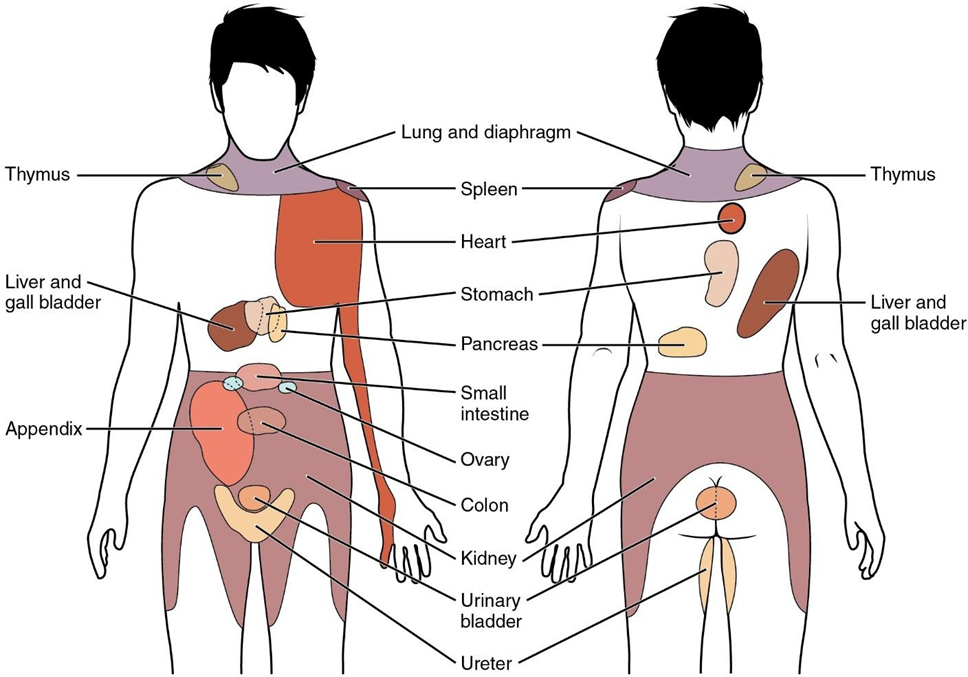
B) Pain in the left shoulder reported by a client with pancreatitis is an example of referred pain, as it occurs at a site distant from the actual pathology.
C) Substernal chest pain reported by a client with angina indicates cardiac pain, not referred pain.
D) Incisional pain reported by a postoperative client is localized and does not indicate referred pain.
Correct Answer is A
Explanation
A) This response offers a solution by involving a social worker who can assist the client in exploring financial assistance programs or alternative medication options.
B) While contacting the pharmacy may be helpful, it does not guarantee a solution to the client's financial constraints.
C) Involving the occupational therapist for a home visit is not directly related to addressing the client's inability to afford medication.
D) Instructing the client to ask their provider to prescribe a cheaper medication puts the responsibility solely on the client and may not address the underlying issue effectively.
Whether you are a student looking to ace your exams or a practicing nurse seeking to enhance your expertise , our nursing education contents will empower you with the confidence and competence to make a difference in the lives of patients and become a respected leader in the healthcare field.
Visit Naxlex, invest in your future and unlock endless possibilities with our unparalleled nursing education contents today