
A nurse is providing teaching for a client who has an ileal conduit following bladder cancer. Which of the following statements by the client indicates a need for the nurse to provide additional teaching?
I need to catheterize the stoma several times a day.
I will need to measure my stoma each week.
I will always have to wear a pouch.
I need to cleanse around the stoma with soap and water.
The Correct Answer is A
Choice A reason: This statement indicates a need for further teaching, as it is incorrect. The client does not need to catheterize the stoma, as the urine flows continuously from the ileal conduit to the pouch. Catheterization can cause infection and damage to the stoma.
Choice B reason: This statement is correct, as the client will need to measure the stoma each week for the first 6 to 8 weeks after surgery. The stoma may change in size and shape as it heals, and the client will need to adjust the size of the pouch opening accordingly.
Choice C reason: This statement is correct, as the client will always have to wear a pouch to collect the urine. The client can choose from different types of pouches, such as one-piece or two-piece systems, and change them as needed.
Choice D reason: This statement is correct, as the client will need to cleanse around the stoma with soap and water at least once a day. This helps to prevent skin irritation and infection. The client should avoid using alcohol, perfumes, or lotions on the stoma.
Nursing Test Bank
Naxlex Comprehensive Predictor Exams
Related Questions
Correct Answer is A
Explanation
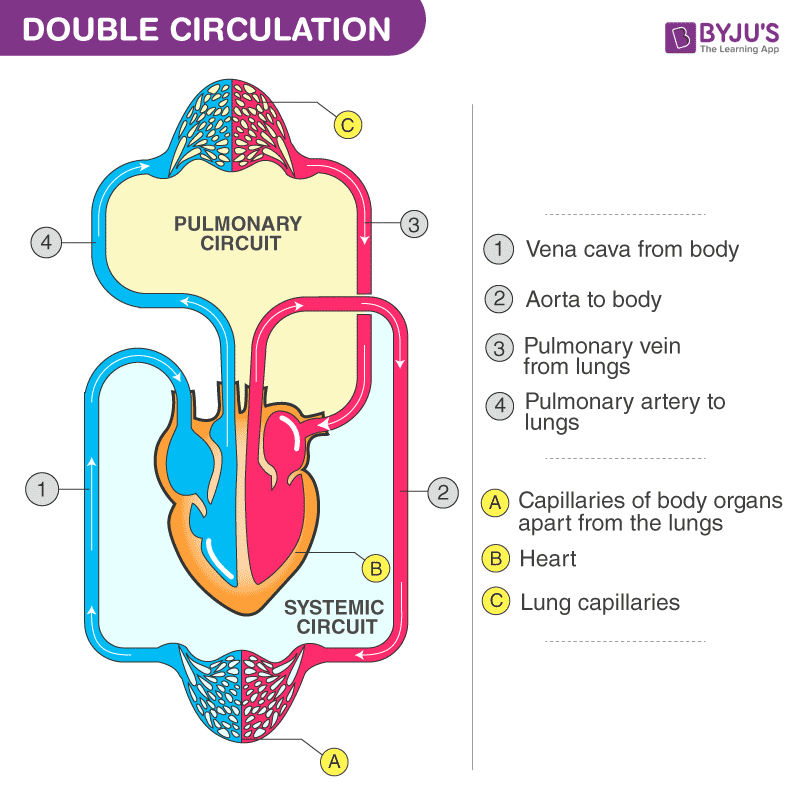
Choice A reason: The pulmonary artery is the large blood vessel that carries deoxygenated blood from the right ventricle to the lungs for gas exchange. It is the only artery that carries deoxygenated blood in the body.
Choice B reason: The pulmonary veins are the blood vessels that carry oxygenated blood from the lungs to the left atrium. They are the only veins that carry oxygenated blood in the body.
Choice C reason: The left ventricle is the chamber of the heart that pumps oxygenated blood to the rest of the body through the aorta. It does not directly connect to the lungs.
Choice D reason: The left atrium is the chamber of the heart that receives oxygenated blood from the pulmonary veins. It does not directly connect to the right ventricle.
Correct Answer is B
Explanation
Choice A reason: Rigid abdomen is not a sign of diarrhea, but rather a sign of peritonitis, which is an inflammation of the abdominal lining. Peritonitis can be caused by a perforated ulcer, appendicitis, or diverticulitis.
Choice B reason: Dehydration is a sign of diarrhea, as it indicates a loss of fluid and electrolytes from the body. Dehydration can cause symptoms such as dry mouth, thirst, decreased urine output, sunken eyes, and low blood pressure.
Choice C reason: Hypothermia is not a sign of diarrhea, but rather a sign of low body temperature. Hypothermia can be caused by exposure to cold, shock, or infection.
Choice D reason: Decreased bowel sounds are not a sign of diarrhea, but rather a sign of ileus, which is a lack of intestinal activity. Ileus can be caused by surgery, medication, or obstruction.
Whether you are a student looking to ace your exams or a practicing nurse seeking to enhance your expertise , our nursing education contents will empower you with the confidence and competence to make a difference in the lives of patients and become a respected leader in the healthcare field.
Visit Naxlex, invest in your future and unlock endless possibilities with our unparalleled nursing education contents today