
A nurse in a critical care unit is assessing an adult client. Which of the following findings by the nurse indicates a fluid volume deficit?
Pulse rate 118/min
Blood pressure 152/90 mm Hg
Temperature 37.2° C (99° F)
Central venous pressure 25 mm Hg
The Correct Answer is A
A. Pulse rate of 118/min: In a client with fluid volume deficit, the pulse rate often increases as the body compensates for reduced blood volume.
B. Blood pressure of 152/90 mm Hg: This blood pressure reading does not specifically indicate fluid volume deficit as it can be influenced by various factors, including vascular tone and cardiac function.
C. Temperature of 37.2° C (99° F): This temperature reading is within the normal range and does not directly reflect fluid volume status.
D. Central venous pressure 25 mm Hg: This is elevated and typically suggests fluid volume excess rather than deficit.
Nursing Test Bank
Naxlex Comprehensive Predictor Exams
Related Questions
Correct Answer is D
Explanation
A. Obtain the client's electrolyte levels every 4 hr.While monitoring electrolyte levels is important, obtaining them every 4 hours is excessive for a client who is stable and just starting enteral feedings. Typically, electrolyte levels are monitored based on clinical condition and provider orders.
B. Keep the client's head elevated at 15° during feedings.The client's head should be elevated at least 30 to 45 degrees during enteral feedings to reduce the risk of aspiration and improve gastric emptying. A position of only 15 degrees is insufficient for safety.
C. Measure the client's gastric residual every 12 hr.Gastric residuals should be assessed more frequently, especially in the initial stages of enteral feeding. It is typically recommended to check gastric residuals every 4 to 6 hours to ensure proper gastric emptying and tolerance to the feedings.
D. Flush the client's tube with 30 mL of water every 4 hr.Flushing the tube with water every 4 hours is a standard practice to maintain tube patency, prevent clogging, and ensure that the client receives adequate hydration.
Correct Answer is B
Explanation
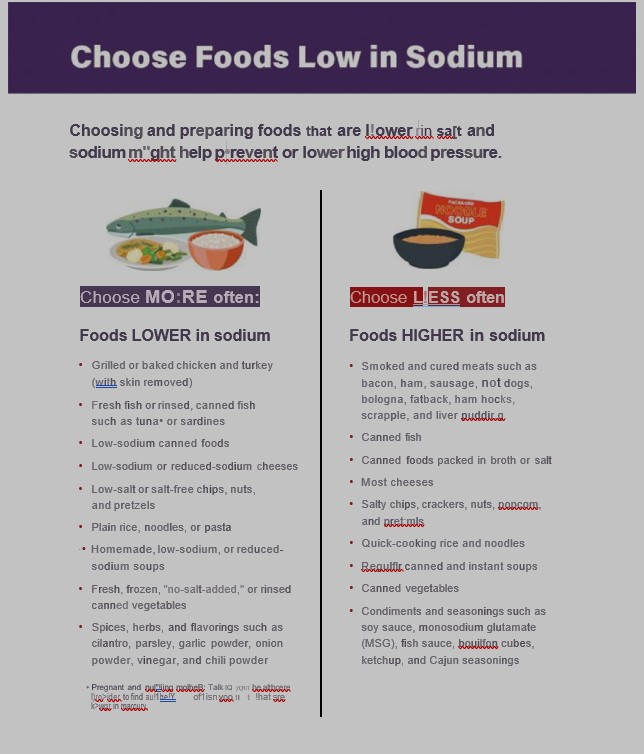
2 oz processed cheese: Processed cheese, including cheese slices or spreads, tends to have a higher sodium content compared to other dairy products. The processing methods used in the production of processed cheese often involve the addition of sodium-containing ingredients to enhance flavor and improve texture.
1/2 cup yogurt: Yogurt generally has a lower sodium content compared to processed cheese. However, the sodium content can vary depending on the brand and type of yogurt. It is advisable to choose plain or low-sodium yogurt to minimize sodium intake.
1 cup milk: Plain milk, such as cow's milk, typically has a lower sodium content compared to processed cheese. However, it is important to note that flavored or sweetened milk products may contain added sugars and other ingredients that can increase sodium content. Choosing unsweetened or low-sodium varieties is recommended.
4 oz vanilla pudding: While some commercial pudding mixes may contain sodium, the sodium content in vanilla pudding is generally lower compared to processed cheese. However, it is important to read food labels and choose lower sodium options or consider homemade versions to better control sodium intake.
Whether you are a student looking to ace your exams or a practicing nurse seeking to enhance your expertise , our nursing education contents will empower you with the confidence and competence to make a difference in the lives of patients and become a respected leader in the healthcare field.
Visit Naxlex, invest in your future and unlock endless possibilities with our unparalleled nursing education contents today