
A nurse is teaching a client who has Parkinson's disease and is prescribed a monoamine oxidase inhibitor. Which of the following instructions should the nurse include?
"Do not eat grapefruit while taking this medication."
"Maintain a low-protein diet."
"Avoid aged cheeses while taking this medication."
"Reduce intake of high-calorie foods."
The Correct Answer is C
The instruction that the nurse should include for a client with Parkinson's disease prescribed a monoamine oxidase inhibitor (MAOI) is as follows: "Avoid aged cheeses while taking this medication."
MAOIs are a class of medications used to treat Parkinson's disease by increasing the levels of certain neurotransmitters in the brain. However, they can interact with certain foods and beverages, leading to potentially dangerous side effects.
The interaction between MAOIs and aged cheeses is due to the presence of tyramine, a substance that can cause a sudden and dangerous increase in blood pressure known as a hypertensive crisis. Aged cheeses, such as cheddar, blue cheese, and feta, contain high levels of tyramine, and consuming them while taking an MAOI can lead to this hypertensive crisis.
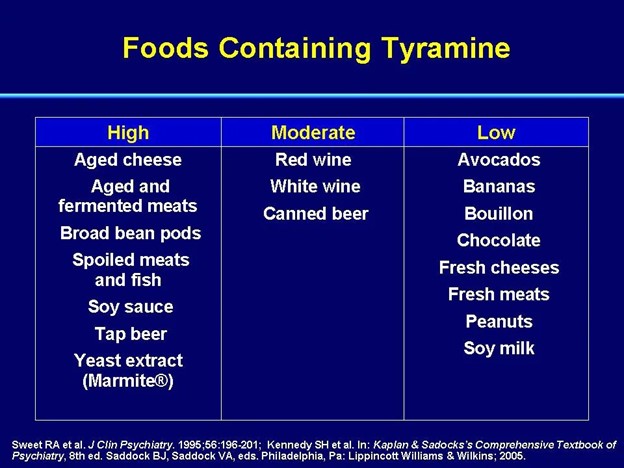
The other options listed in the question are not directly related to the use of MAOIs in Parkinson's disease:
Eating grapefruit is typically contraindicated with certain medications, but it is not specifically relevant to MAOIs or Parkinson's disease.
Maintaining a low-protein diet is not a standard recommendation for individuals taking MAOIs or Parkinson's disease unless specifically advised by the healthcare provider.
Reducing the intake of high-calorie foods is a general recommendation for overall health and weight management but is not specifically related to the use of MAOIs or Parkinson's disease.
Nursing Test Bank
Naxlex Comprehensive Predictor Exams
Related Questions
Correct Answer is A
Explanation
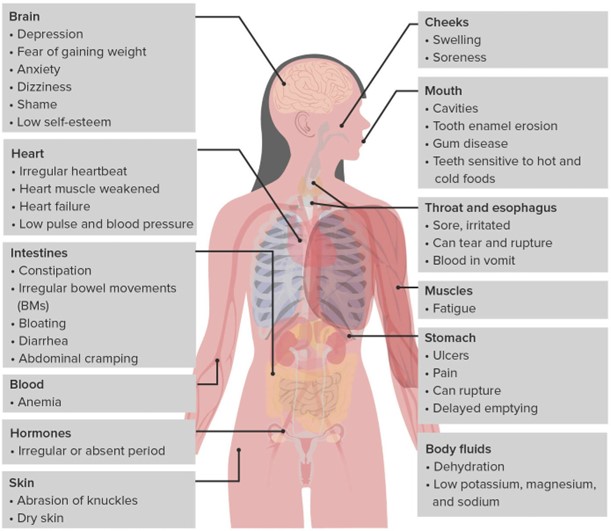
Low potassium levels, known as hypokalemia, can be a significant concern in individuals with bulimia nervosa due to the frequent purging behaviors associated with the condition. Purging, such as self-induced vomiting or misuse of laxatives or diuretics, can lead to excessive loss of potassium from the body. Hypokalemia can have serious consequences, including cardiac arrhythmias, muscle weakness, fatigue, and even life-threatening complications.
The normal range for potassium is typically around 3.5-5.0 mEq/L. With a potassium level of 3.2 mEq/L falling below the normal range, it indicates a low potassium level and requires prompt attention.
The other laboratory results mentioned in the question are within normal ranges:
● A WBC (white blood cell) count of 5,200/mm3 falls within the normal range (typically between 4,500 and 11,000/mm3) and indicates a normal white blood cell count.
● An Hgb (hemoglobin) level of 14 g/dL falls within the normal range (typically between 12 and 16 g/dL) and indicates a normal hemoglobin level.
● A magnesium level of 1.6 mEq/L, although slightly low, is still within the normal range (typically between 1.5 and 2.5 mEq/L). The nurse should monitor it closely and assess for symptoms associated with hypomagnesemia. If the client's symptoms or other clinical indications suggest a significant magnesium imbalance, the healthcare provider should be notified.
Correct Answer is A
Explanation
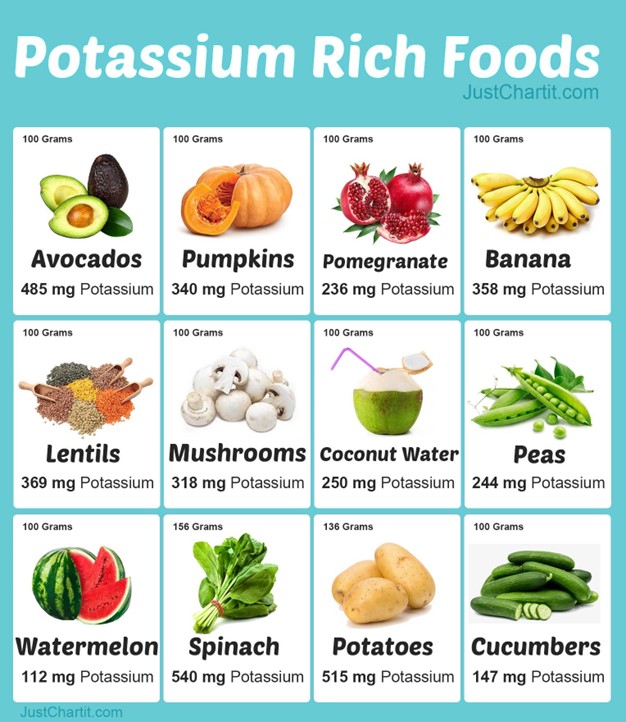
Bananas: Bananas are a suitable choice for a client taking digoxin and furosemide. Digoxin is a medication commonly prescribed for heart failure and certain heart rhythm disorders, and maintaining adequate potassium levels is important while taking this medication. Bananas are a good source of potassium and can help prevent or correct low potassium levels (hypokalemia), which can be a potential side effect of both digoxin and furosemide.
Green beans: Green beans can be included in the client's diet when taking digoxin and furosemide. While they are a healthy vegetable choice, they do not have a direct impact on the potassium levels affected by these medications.
Blueberries: Blueberries are a nutritious fruit choice, but they do not have a specific relevance to the client's medication regimen of digoxin and furosemide. They can be part of a balanced diet but are not specifically recommended or contraindicated in this context.
Cucumbers: Cucumbers are a refreshing vegetable choice, but they do not have a direct impact on the potassium levels affected by digoxin and furosemide. While maintaining hydration is important, other foods would be more relevant for addressing potassium needs.
Whether you are a student looking to ace your exams or a practicing nurse seeking to enhance your expertise , our nursing education contents will empower you with the confidence and competence to make a difference in the lives of patients and become a respected leader in the healthcare field.
Visit Naxlex, invest in your future and unlock endless possibilities with our unparalleled nursing education contents today